Point-of-purchase (POP) displays are a powerful channel for increasing brand visibility and driving sales at retail. Investing in custom corrugated display solutions without a clear plan can create unnecessary costs, delays, and missed retail opportunities. Before moving forward with a display program, brands should evaluate retailer requirements, product specifications, logistics, and fulfillment needs to ensure the program is positioned for success.
Define Your Display Strategy
Before jumping into structural design and graphics, define your display strategy. These early decisions will help to narrow future decisions. Some questions to answer:
- What is the retail objective? Are you supporting a new product launch or seasonal promotion, increasing trial purchases, promoting a limited-time offer, driving impulse purchases, or improving shelf presence in a competitive category?
- Who is your targeted buyer? What are the ages, interests, shopping habits, buying motivation, familiarity with the brand, and what problem the product solves for them?
- What is the expectation? Are they learning about your product or company, scanning a QR code, interacting with the display, trying a sample, or making an impulse purchase?
Defining the display strategy first gives the project direction before structural design, graphics, and production decisions begin. A display built to support a new product launch may need different messaging, placement, and product visibility than one designed to move seasonal inventory or drive impulse purchases. The target shopper also affects the display format and message. A display of children’s art supplies will look much different from one of adult art supplies. These early decisions help the manufacturer recommend the right structure, materials, graphics, and fulfillment approach, rather than designing around assumptions.
Understand Retailers’ Requirements Early
Getting the opportunity to display your product in a major retail chain or big box store is a great accomplishment that can be pivotal for your product. However, many retailers, including big-box retailers (Walmart), warehouse clubs (Costco), and even grocery chains (Kroger), have very specific requirements that differ from one another.
Retailer requirements should be reviewed before structural design begins because they can influence the display footprint, height, pallet pattern, product count, signage, labeling, and shipping method. Some retailers may require displays to arrive pre-packed and palletized, while others may have specific rules for floor-ready presentation, barcode placement, pallet skirts, case packs, or sustainability claims. These details affect the structure and the fulfillment plan, not just the final artwork.
Retailers’ detailed requirements affect how displays are packed, labeled, palletized, shipped, and received. Reviewing these guidelines early helps brands avoid redesigns, compliance issues, rejected shipments, chargebacks (noncompliance fees), and program delays.
Product Weight, Packaging, and Display Capacity
The display must be designed around the product. Product dimensions, weight, package shape, and the number of units on display all influence structural design, material selection, and overall display performance.
Displays are often handled multiple times before they reach the sales floor. They may be shipped through distribution centers, moved between storage areas, replenished by store employees, and interacted with by hundreds of shoppers. A display that is not engineered to support the product load can become damaged, unstable, or difficult to maintain throughout the promotion. Some retailers have specific requirements for incoming loads, such as double-stacking pallets, even if the products are fragile.
When planning custom corrugated display solutions, brands should consider product weight, display capacity, inventory replenishment requirements, and the expected duration of the display in stores. These factors help determine the appropriate structure and materials needed to support the program.
Consider Distribution, Fulfillment, and Store Execution
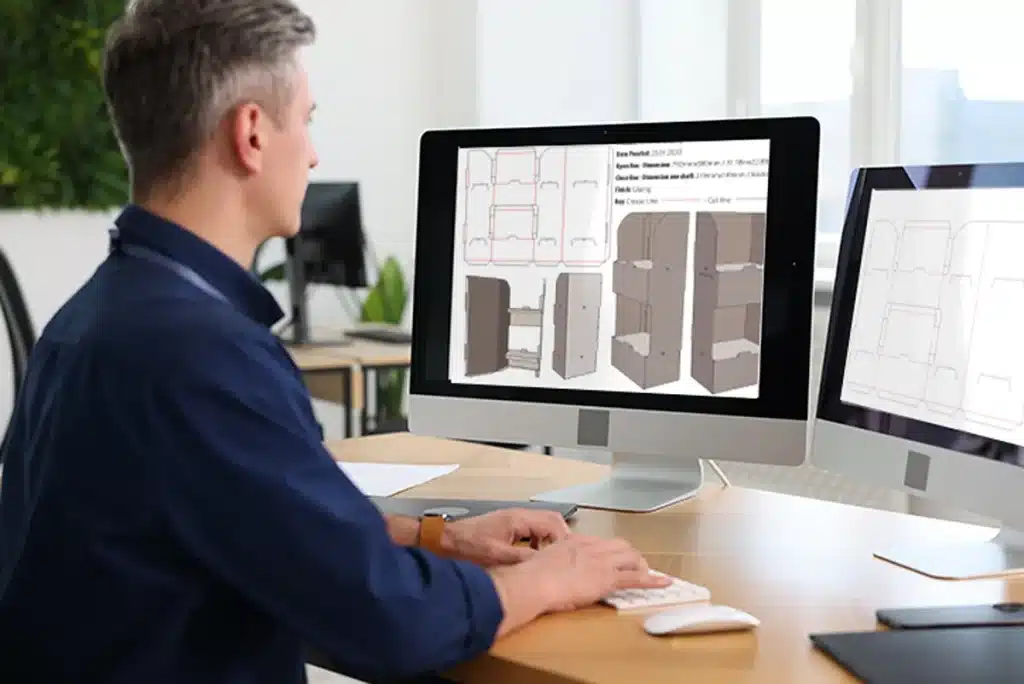
A custom corrugated display program involves more than manufacturing a display. Retailers may have requirements related to pallet configurations, shipping methods, display pack-out, barcode placement, and floor-ready presentation. These requirements affect how displays are built, packed, and delivered.
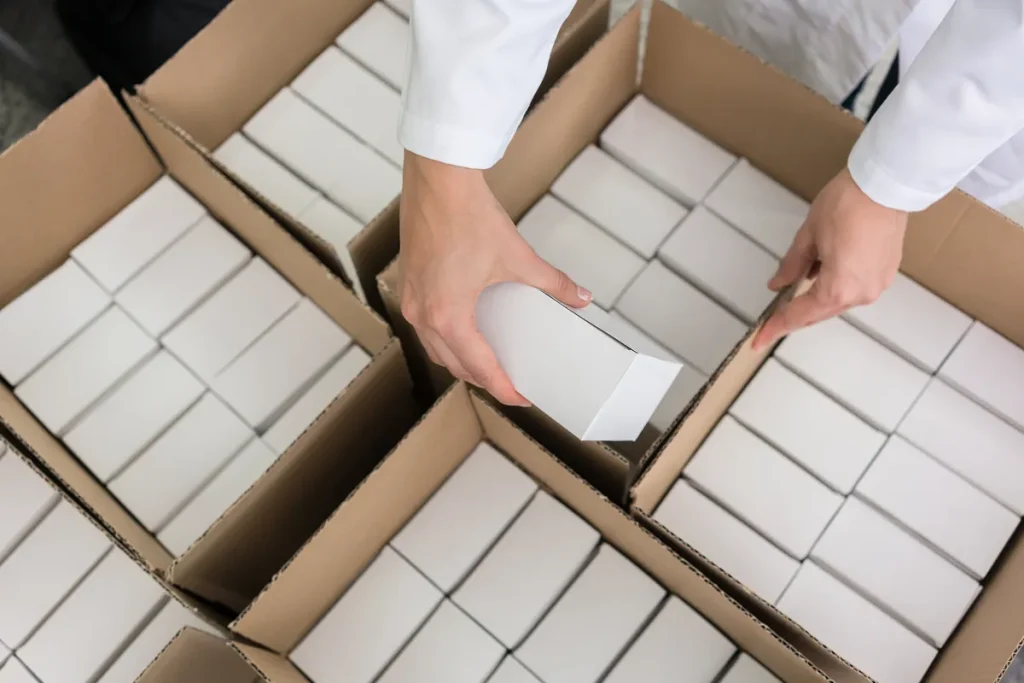
Brands should also evaluate how products will be packed for display, whether displays will arrive assembled or require in-store setup, and how inventory will be replenished throughout the promotion. Decisions made during the design phase can affect transportation costs, fulfillment efficiency, and the overall retail experience.
Store-level execution should not be overlooked. Displays that are easy to assemble, stock, and maintain are more likely to remain properly merchandised throughout the promotion. Considering these operational requirements early can help improve display performance while reducing complexity for retailers and store personnel.
Work With Atlas Packaging for Custom Corrugated Display Solutions
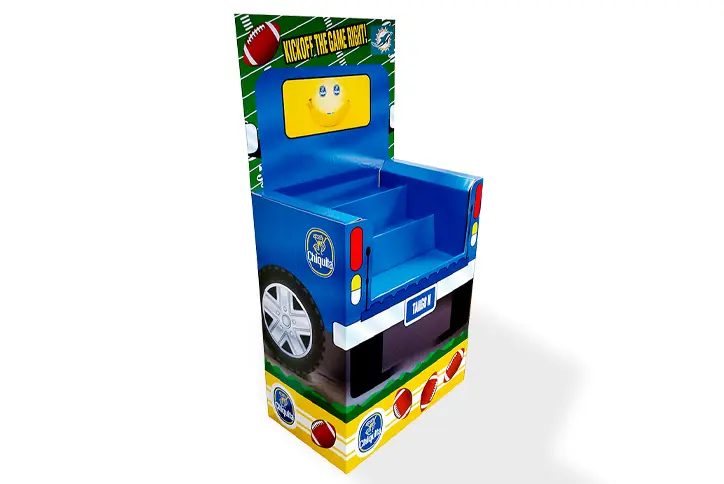
Custom corrugated display solutions work best when the structure, graphics, product fit, retailer requirements, and fulfillment plan are developed together. At Atlas Packaging, we help brands turn retail display concepts into store-ready programs. Our team designs and manufactures corrugated POP displays that support high-graphic packaging, prototyping, assembly, pack-out, and fulfillment, keeping design, production, and logistics connected from the start.
If you are planning a retail display program, contact Atlas Packaging to discuss your product, retailer requirements, timeline, and fulfillment needs before design begins.