When order volume is low, packaging kits by hand can seem manageable. A small team can pull the required SKUs, add printed inserts or instructions, pack everything into a branded box or display, and ship orders without much disruption. As volume grows, that same process can become a bottleneck. What worked at a smaller scale may start creating overtime costs, missed deadlines, inventory confusion, and rework. That is usually the point when outsourced kitting and assembly services should be considered. A contract packaging partner can help standardize processes, ensure order accuracy, and free internal teams to focus on production, sales, and customer service.
This article explains what kitting and assembly include, when outsourcing makes sense, and what to look for in a partner as order volume increases.
What are Kitting and Assembly Services?
Kitting and assembly services group appropriate SKUs and assemble packaging or displays for shipping.
The kitting process combines individual SKUs into a single unit, which is often assigned a new SKU. This may be a skin care starter kit with several products, an influencer kit with products and promotional items, or curated subscription boxes. For retail displays, it may mean organizing structural parts, graphics, hardware, and products into a single unit.
Kitting does not eliminate work. It moves repetitive picking, sorting, assembly, and verification into a controlled process that allows work to be completed in batches. The customer receives materials or displays ready for the next step, reducing search time, individual product handling, and setup work at the point of use.
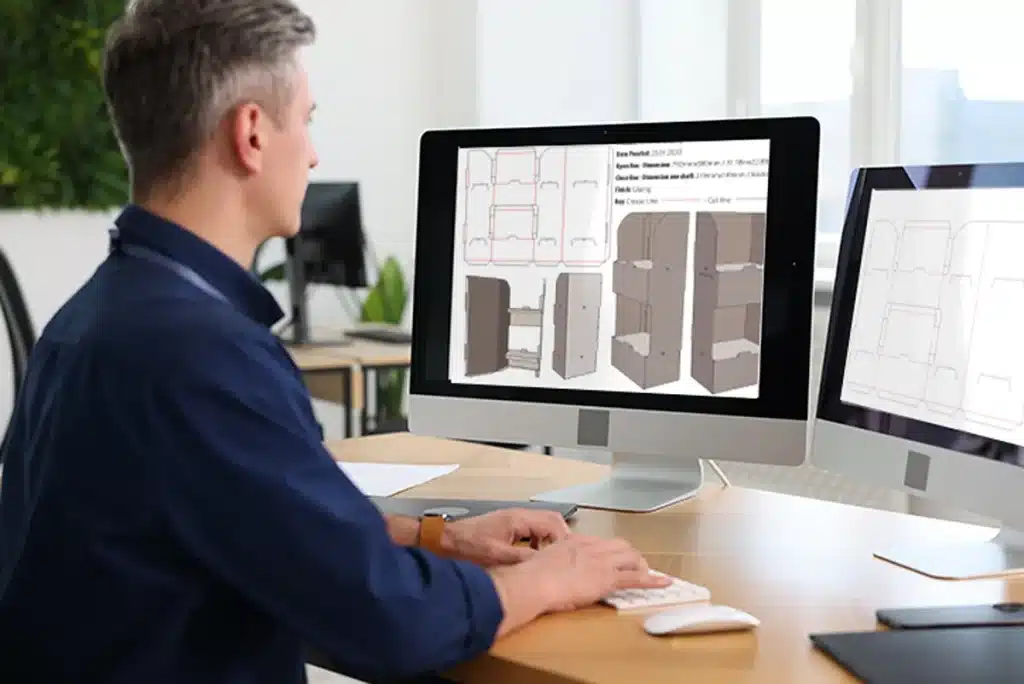
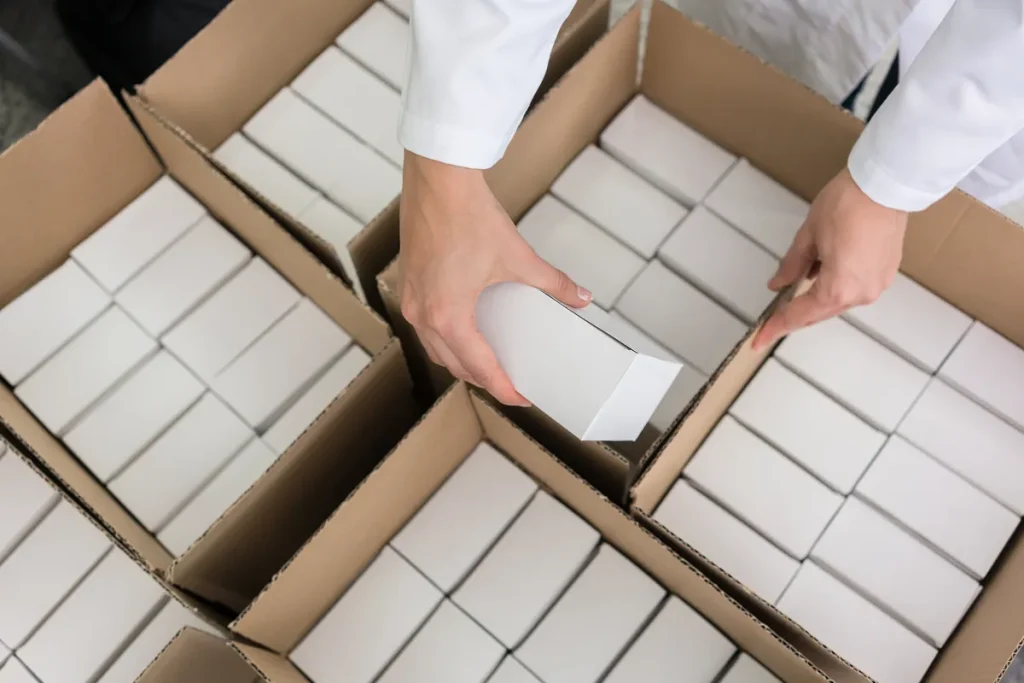
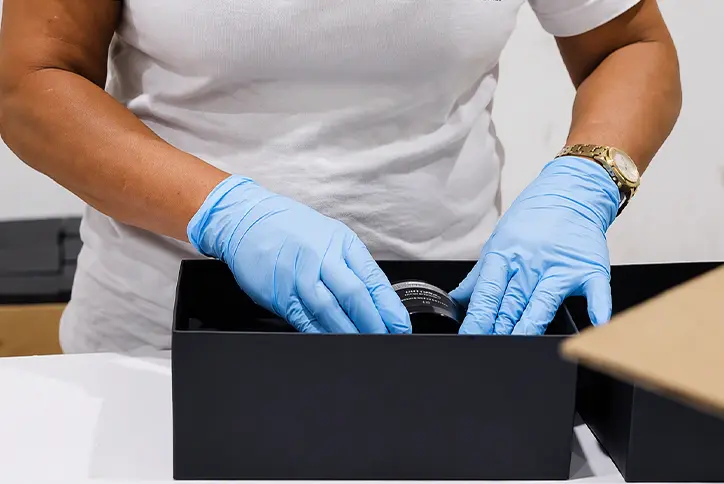
Assembly refers to the hands-on work needed to prepare packaging, displays, or kits before they ship. That may include assembling cartons, adding inserts, pre-assembling POP displays, labeling, sorting, gluing, taping, reworking products, or preparing displays for easier setup at retail. Pack-out is a related but more specific step. It is placing the customer’s sealed product into the finished package, kit, or display, making it ready for distribution.
See how Atlas Packaging supports packaging fulfillment, warehousing, pack-out, and distribution work for customers with growing order volume. Watch the video.
When Does Outsourced Kitting and Assembly Make Sense?
Outsourced kitting and assembly services become worth considering when order growth begins to affect labor, available space, accuracy, or delivery schedules. The decision should be based on the full internal cost of completing the work rather than order volume alone. A small program may justify outsourcing when it has many components, frequent changes, or tight retail deadlines.
Employees Are Being Pulled From Core Work
Internal kitting usually starts as an additional task assigned to employees with other job responsibilities, such as production, warehouse, or office. As volume increases, employees spend more time locating products, counting components, folding cartons, applying labels, and checking finished kits, which cuts into their primary job duties. The direct labor cost is visible, but the overtime, lost production, and delayed administrative work may be easily overlooked.
The US Bureau of Labor Statistics reports that Wages and benefits for production, transportation, and material-moving occupations average $36.84 per hour in March 2026. 100 hours spent kitting represent $3,684 in labor costs, but don’t account for the additional time spent on supervision, training, setup, material movement, storage, and rework or error corrections. All should be accounted for when comparing internal costs with outsourced programs.
A basic internal cost calculation can start with the time required per kit multiplied by annual kit volume and your company’s loaded hourly labor cost. For example, if it takes 6 minutes per kit, then it takes 100 labor hours for every 1,000 kits. However, this doesn’t include time spent receiving materials, replenishing work areas, and preparing finished orders for shipment.
Order Volume Can Not Increase Without Adding Labor
The in-house process may work well until you add a promotion, a new product launch, a seasonal program, or a new retail account and you have a sharp increase in volume. You must then add temporary workers, authorize overtime, or move people from other areas. Each response adds cost and may still leave you with limited capacity during a peak time.
An outsourced provider can establish dedicated workcells, documented procedures, component staging, quality checks and production schedules for each project. Outsourcing give you access to capacity without expanding your workforce or converting more of your facility to packing work. It also makes seasonal work and promotions easier because they can be scheduled around a defined quantity and completion date.
Retail Displays Require Too Much Set Up at the Store
For retail programs, assembly costs may continue after the display arrives at the retail store. Store employees or field representatives will need to unpack components, identify structural parts, attach graphics, load products, and dispose of excess packaging. A complicated setup can also lead to inconsistent presentations when different people assemble the display at different locations.
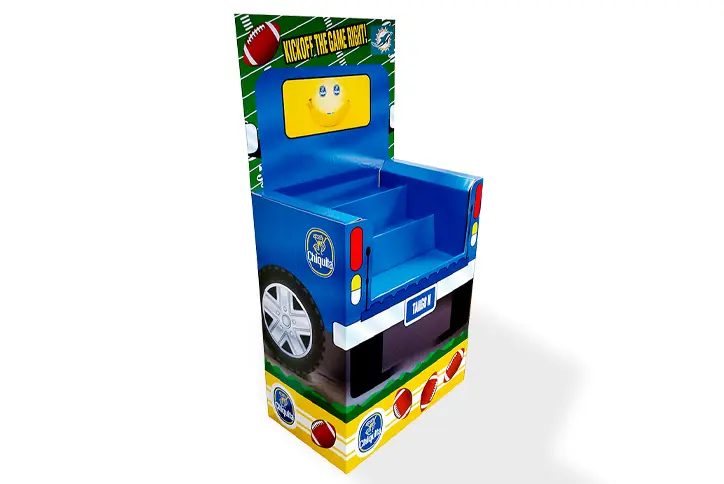
Outsourcing kitting and assembly can move more of the work upstream. A packaging partner can organize components in setup order, preassemble sections, attach graphics, load products, and prepare each display, making installation faster. The amount of work completed before shipment depends on the display design, shipping limits, and retailer requirements.
This approach is also especially beneficial for multi-location launches, seasonal promotions, and displays with several graphic or structural components. It provides each location with the same materials in the same sequence, so store employees have fewer decisions to make during setup.
Internal Space is Becoming a Constraint.
Kitting requires space for inbound products, work-in-process inventory, cartons, inserts, completed kits, and outbound pallets. A temporary project can occupy aisles, warehouse space, and production areas when materials arrive from multiple areas or suppliers simultaneously. Space limitations may require employees to repeatedly move products before the kits are complete.
Outsourcing moves the inventory and work to a facility that is designed for it. .The provider can receive components, track quantities, stage them for production, assemble required units, and prepare finished shipments. This can be helpful if you need temporary capacity but do not want to lease more space or reorganize your operation for a short-term program.
What to look for in a Kitting and Assembly partner
A kitting and assembly partner should be evaluated by how well they can control the work before, during, and after assembly. The lowest quoted labor rate matters little if the provider cannot receive materials accurately, stage components, follow project instructions, inspect finished units, or ship on time.
Start by asking the provider how they define the scope of work. Kitting, assembly, pack-out, rework, fulfillment, and warehousing are related but not the same service. A clear partner should be able to explain what happens at each step, what materials they need from you, what product conditions they can handle, and what work remains your responsibility.
Look for a provider that can document the process for each project. That includes component counts, work instructions, labeling requirements, packaging specifications, inspection points, pallet patterns, and shipping instructions. This matters when the project has multiple SKUs, retail-specific requirements, or product variations that need to be handled consistently across a full run.
Capacity is another practical consideration. If your volume changes by season, promotion, or retailer, the provider needs enough labor flexibility, space, and scheduling discipline to scale without losing control of accuracy. Ask how peak work is staffed, how finished units are staged, and how they prevent errors when several projects are moving through the facility at the same time.
The best partner also understands the packaging itself. If the same company designs, produces, assembles, and packs out the display or kit, there are fewer handoffs between vendors. Design decisions can be reviewed against pack-out labor, product fit, shipping requirements, pallet configuration, and store setup before production begins.
Work With Atlas Packaging for Kitting and Assembly Services
Atlas Packaging supports kitting and assembly services for companies that need packaging, displays, and products prepared for shipment or retail distribution. We can assemble cartons, container inserts, and POP displays to reduce your labor and speed up packaging. Pack-out is the next related step: placing your sealed product into the finished package or display so it is ready for shipment or distribution.
This is especially useful for retail display programs, promotional kits, multi-SKU programs, and projects where setup work should be completed before the product reaches a distribution center or store. We manufacture the packaging, assemble the display or kit, pack out sealed customer product, and prepare finished units for shipment.
If your internal team is spending too much time on manual kitting, display setup, labeling, or pack-out, Atlas Packaging can review your project and help determine what work can be moved upstream. Contact Atlas Packaging to discuss your product, packaging requirements, timeline, and fulfillment needs.