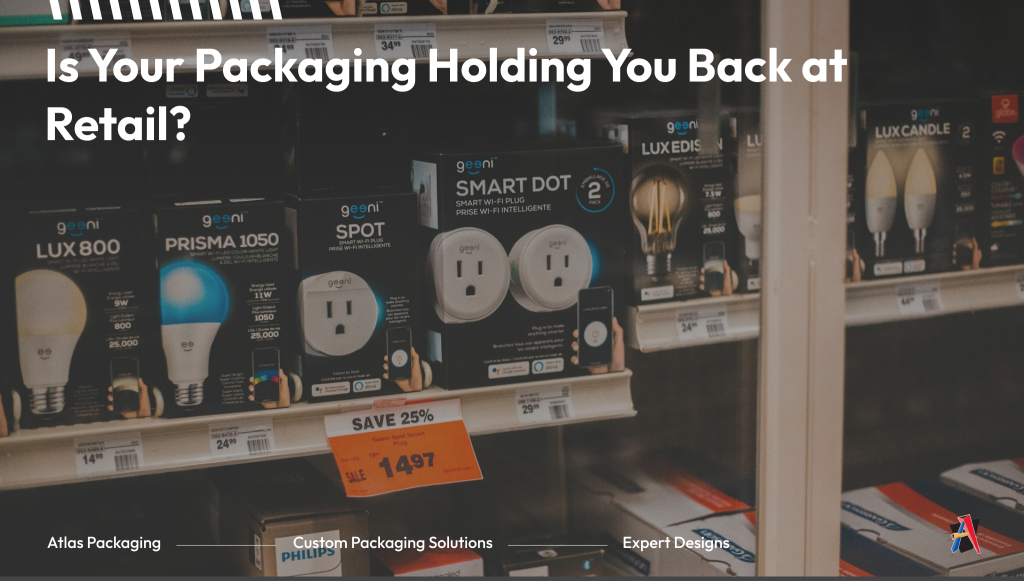
Walk through any store and you’ll see hundreds, often thousands of products in retail packaging competing for attention. Shoppers don’t study every item. They scan shelves quickly, zero in on what catches their eye, and make a choice in seconds. That’s shelf impact in a nutshell. If your packaging isn’t working hard in that moment, you’re missing sales.
Retail packaging does more than hold your product. It introduces your brand, builds trust, and drives conversion. When it’s not designed with product visibility in mind, your packaging can hold you back.
Why Shelf Impact Matters
Shoppers are busy. The average person spends 13 seconds scanning a shelf before making a decision. They’re influenced by color, shape, layout, and readability—not just price or product features. A great package stands out, tells a clear story, and makes buying feel easy.
A poorly packaged item fades into the background. It might confuse buyers, look generic, or fail to reflect your brand. Even worse, it might not fit well on a standard retail shelf, leading to poor placement or reduced product visibility.
Packaging with strong shelf impact leads to better positioning, more facings, and more sales.
If your product isn’t grabbing attention, it’s time to look at the packaging—not just the marketing.
What’s Going Wrong?
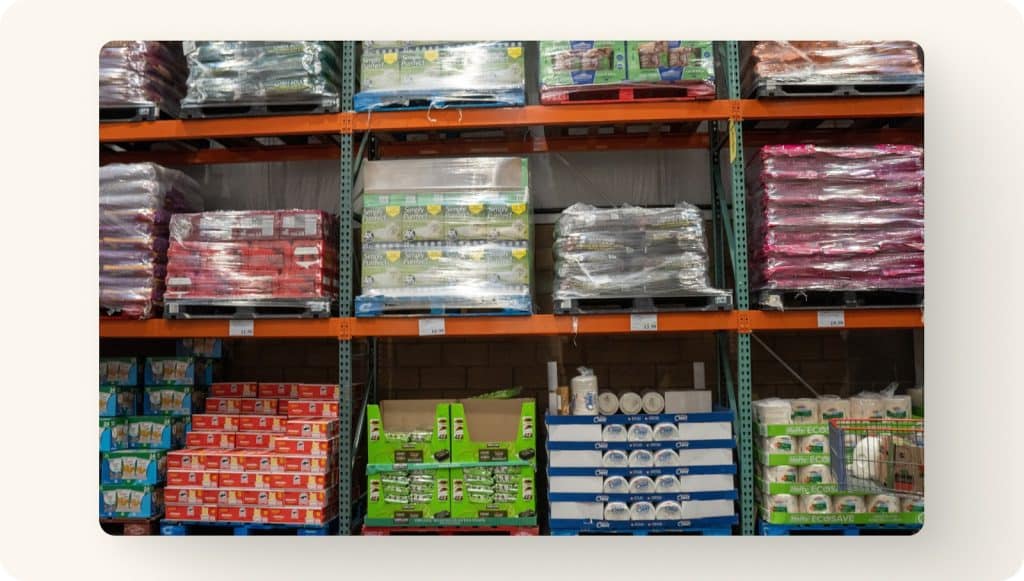
Most packaging problems come down to three issues: clarity, layout, and fit.
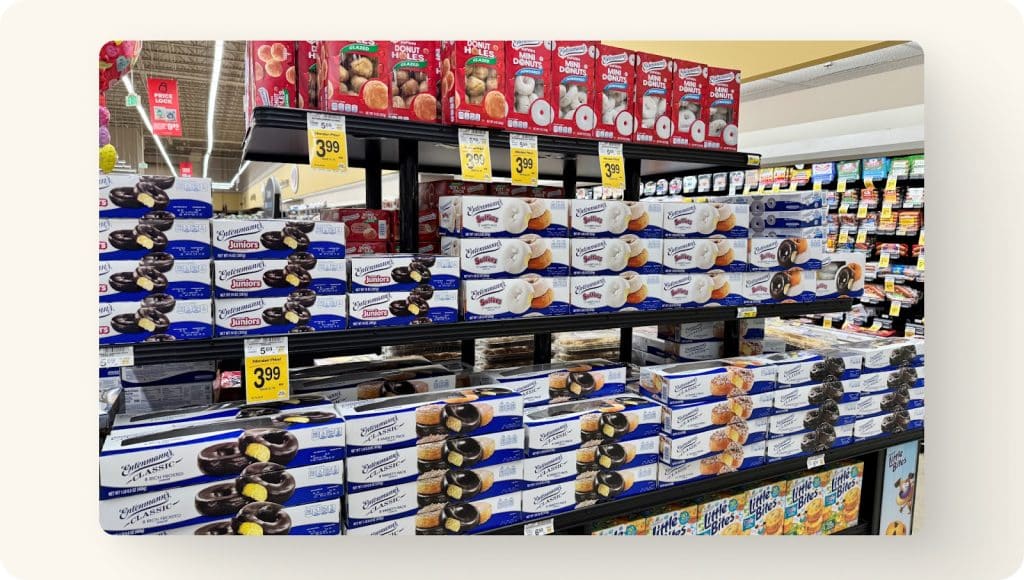
Some packaging is too cluttered. There’s no clear hierarchy of information. The product name, benefits, and brand identity compete for attention. Customers don’t know where to look first, or why they should buy.
Other packages lack contrast or visual interest. A beige box with beige text might look minimal in theory, but on a shelf, it disappears. So does packaging with fonts that are too small, colors that blend into competitors, or materials that reflect too much light.
And then there’s structure. A poorly sized package wastes space or hangs awkwardly off a peg. It may not stack or face well, which creates headaches for store staff. Bad fit leads to poor shelf real estate, and that limits your ability to grow.
How to Improve Retail Packaging Performance
Strong packaging design solves all of these problems. It puts your product in the best position to succeed by guiding the shopper’s eye and making key information obvious.
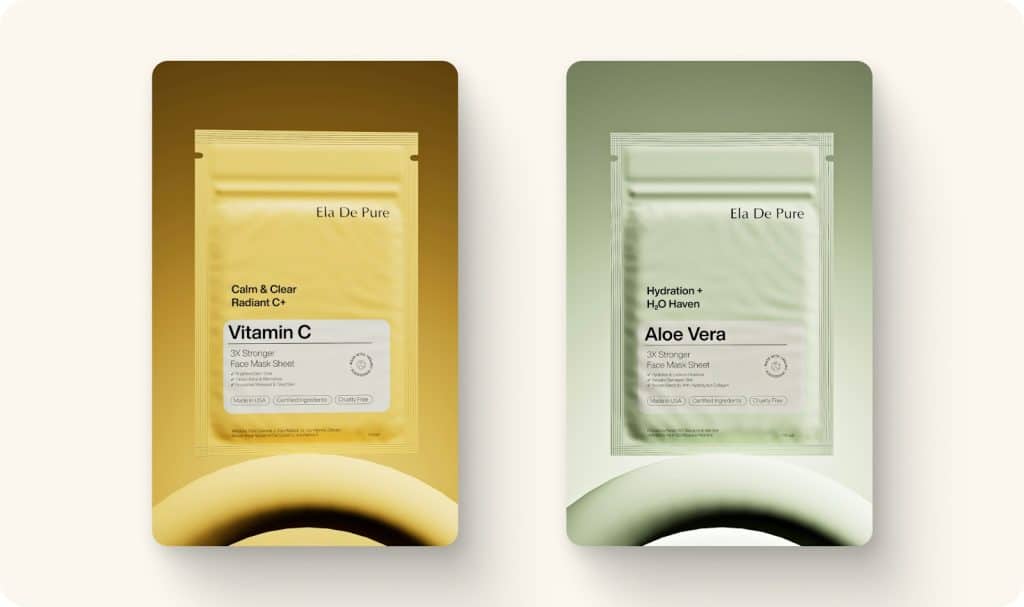
Start by simplifying. Choose one or two focal points—like your logo and product name—and make them the star. Use high-contrast colors to create clear edges. Prioritize legibility and white space. Make sure someone walking by can tell what your product is and why it matters, even from a distance.
Next, think about fit. Standard shelf dimensions vary by retailer, but most follow strict planograms. Your packaging should fit cleanly without hanging over the edge, slouching, or blocking other products. That makes it easier for stores to give you more space—and makes your product look more polished.
Finally, match your design to your customer. If you sell premium skincare, your packaging should feel refined and intentional. If you sell tools, it should feel durable and functional. Don’t copy competitors. Build something that reflects your brand and speaks to your buyers.
When Retail Packaging Isn’t Enough
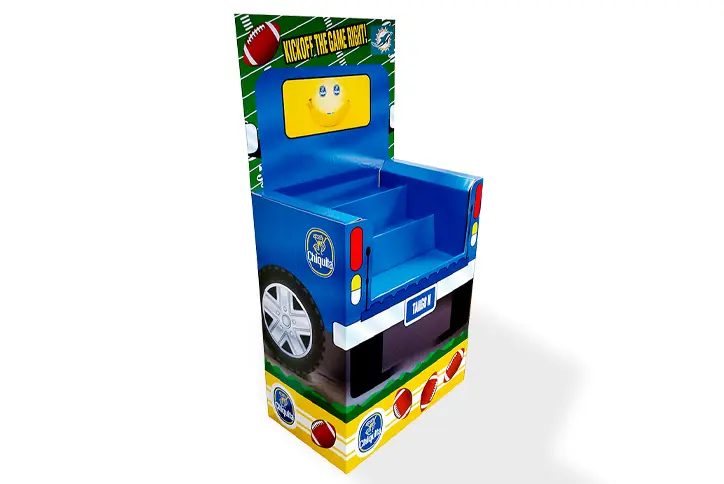
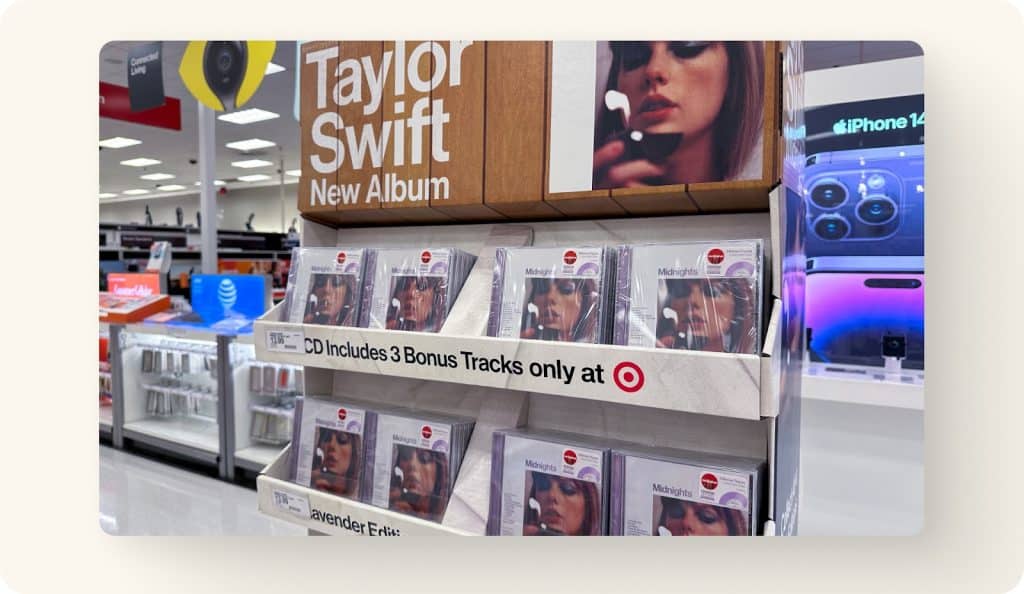
Sometimes, retail packaging can only take you so far. That’s where custom POP (point-of-purchase) displays come in.
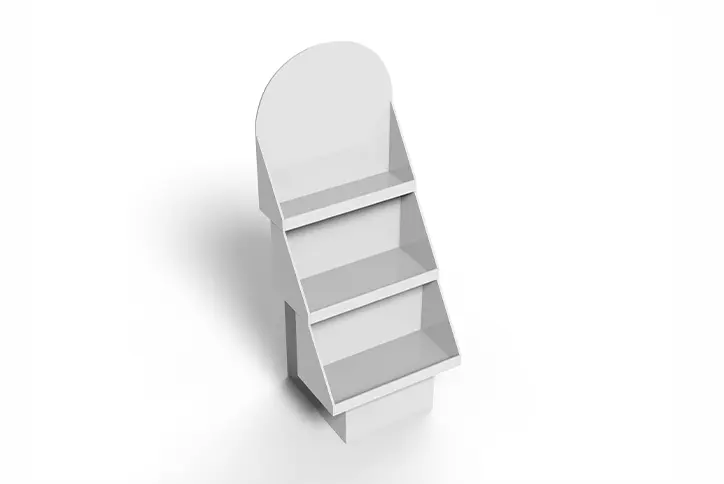
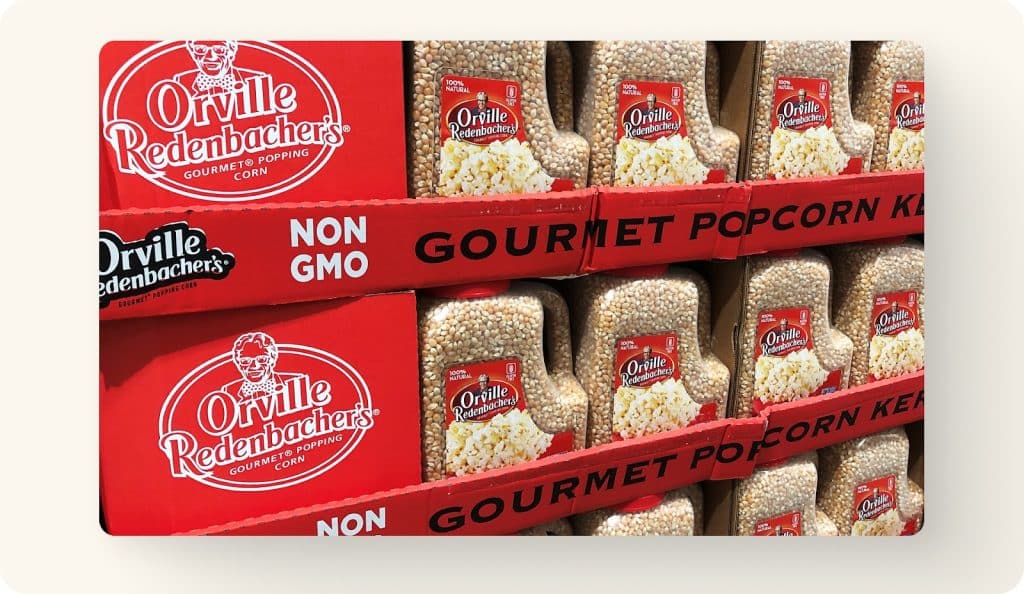
A floor display puts your product in front of customers before they even hit the shelf. A well-placed counter unit encourages impulse buys. Pallet displays help you own a larger footprint during promotions or seasonal pushes. They also give you more space to communicate your value proposition, something that standard packaging doesn’t always allow.
Retailers like displays because they’re easy to stock and create visual interest in-store. Brands love them because they boost visibility, encourage trial, and support launches.
Custom POP displays aren’t just for big-box stores. Smaller retailers rely on them too, especially for giftable items, bundles, and new releases.
Design for Everyone, Not Just Your Customer
Great retail packaging doesn’t just work for shoppers. It works for everyone who interacts with it.
Buyers and category managers notice packaging that’s clean, well-sized, and visually appealing. They’re more likely to give you better placement and keep you in the lineup longer.
Store staff appreciate packaging that’s easy to stock and hard to damage. Something that sits neatly on a shelf or display reduces headaches during resets and helps your product stay faced and available.
The right packaging supports every part of your retail strategy. It makes your product easier to order, easier to sell, and easier to manage once it’s on-site.
Is It Time to Rethink Your Retail Packaging?
If sales are flat, visibility is low, or you’re not gaining ground with new accounts, packaging might be the reason. Ask yourself:
- Would your packaging stand out from three feet away?
- Can a shopper tell what your product is in two seconds or less?
- Are competitors out-positioning you in-store with brighter, clearer, or bolder designs?
If you answered no to either of the first two questions or yes to the third, it’s worth taking a closer look. Minor changes in layout, structure, or materials can lead to better placement and more sales.
Atlas Can Help
At Atlas Packaging, we work with CPG brands, marketing teams, and product designers to develop packaging that drives shelf impact. We also build custom POP displays that help your product get noticed.
Whether you need a simple refresh or a full redesign, we’ll make sure your packaging supports your growth. When you’re ready, we’re here to help.