What Is Over-Packaging?
Over-packaging happens when businesses use more material than necessary to protect, ship, or display a product. It can show up as extra layers, oversized boxes, or excessive filler. You might think more packaging means better protection or stronger branding. But more often, it leads to higher costs, increased waste, and frustrated customers.
Consumers notice. So do regulators. And both are pushing for change.
The Real Cost of Wasteful Over-Packaging
Excess packaging isn’t just an environmental problem. It’s a business problem.
Oversized boxes take up more space in shipping trucks and warehouses. That means higher freight charges and less efficient storage. Extra filler costs more to produce and adds time to fulfillment. Wasteful packaging also increases disposal costs for both businesses and end customers.
It can hurt your brand, too. Shoppers are quick to call out wasteful packaging online. One viral unboxing video showing layers of unnecessary plastic can undo months of marketing work. Sustainability matters to your customers. Failing to act on it makes your business look careless.

Why Less Packaging Works Better
Done right, lean packaging delivers just as much protection (and far more value).
You don’t need to sacrifice safety or branding to reduce materials. Right-sized boxes lower shipping costs and reduce damage by holding the product in place. Smart structural design can eliminate the need for excess void fill. Corrugated inserts can replace foam or plastic trays. Every design decision can serve a dual purpose: protection and presentation.
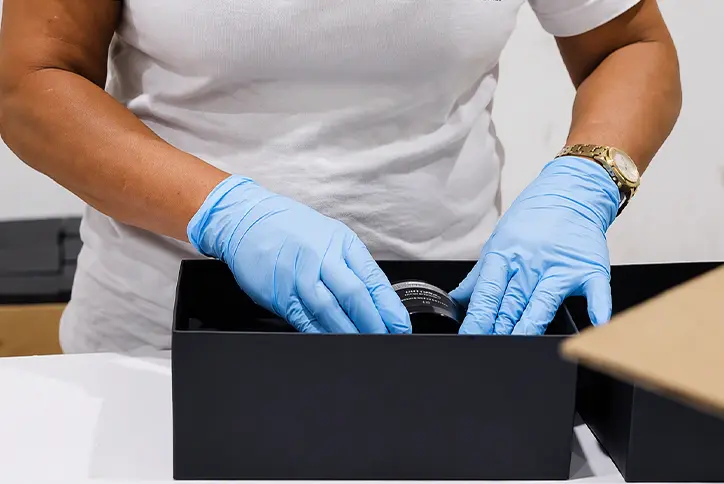
Less packaging also speeds up fulfillment. Lighter materials and simpler assemblies reduce packing time. For e-commerce brands shipping thousands of units a week, those time savings matter.
Packaging and ESG Goals
Many companies are under pressure to meet ESG (Environmental, Social, and Governance) targets. Packaging plays a key role in those efforts.
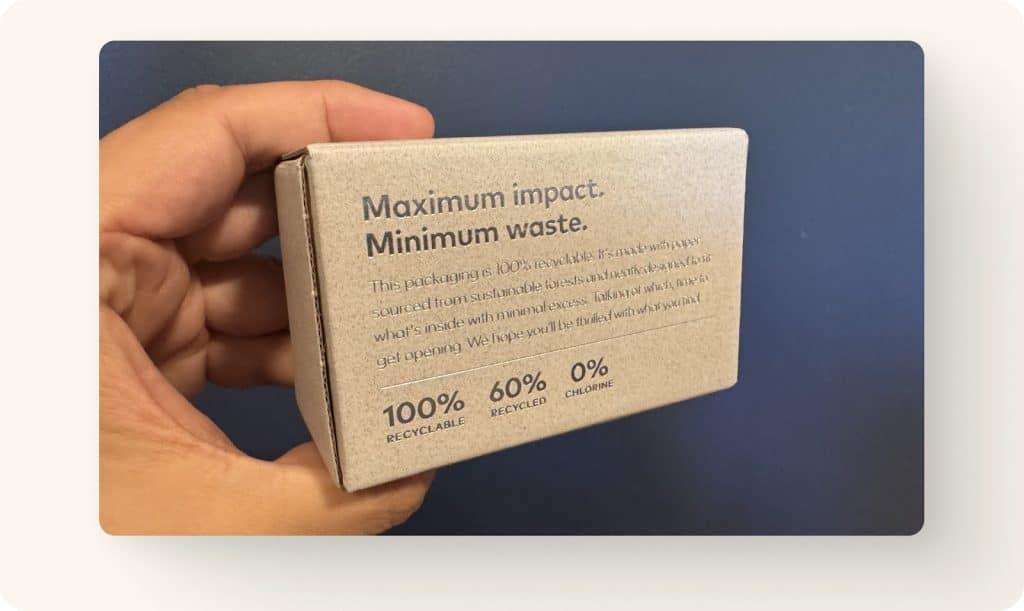
Switching to recyclable materials, reducing plastic use, and optimizing box sizes all help reduce your carbon footprint. That’s good for the planet and for public reporting. Investors, regulators, and consumers all want to see measurable progress on sustainability. Packaging is one of the most visible ways to show it, whether your product is sitting on a shelf or being delivered in a subscription box.

How Atlas Packaging Helps Reduce Waste From Over-Packaging
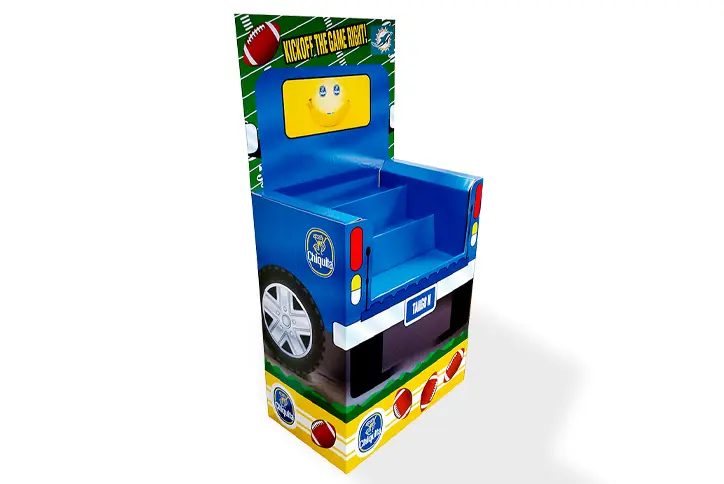
At Atlas Packaging, we help brands make smart, sustainable packaging decisions. Our team works with you to design boxes and displays that use fewer materials without compromising performance. That includes structural design that fits your product perfectly, and material choices that meet your goals for recyclability or compostability.
We often see businesses using off-the-shelf packaging that’s too large for their product. That might seem convenient at first, but it leads to a long list of problems: higher shipping rates, extra filler, poor presentation, and more damage. We help fix that.
Our process starts with your product. We look at dimensions, fragility, shipping method, and storage needs. From there, we build a packaging solution that checks all the boxes: cost, sustainability, branding, and performance.
Better Packaging = Better Unboxing
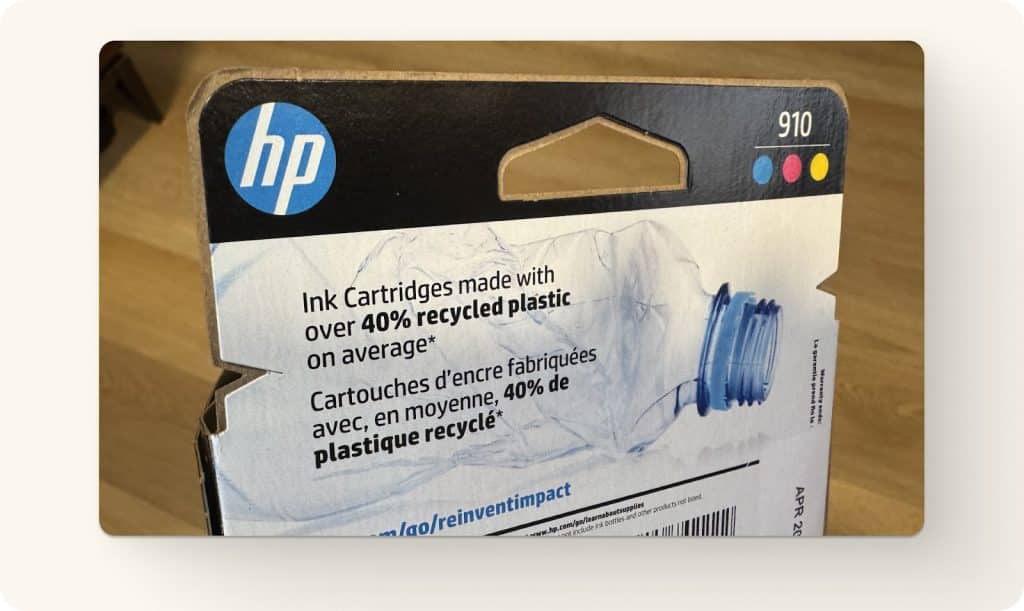
Consumers care about sustainability, but they also want a great unboxing experience. The two aren’t at odds.
Minimalist packaging can still feel premium. A well-fitted box with clean design, smart inserts, and clear branding goes a long way. You don’t need three layers of packaging to make your product feel special. You need packaging that’s intentional.
Reducing waste doesn’t just help the environment. It improves the customer experience. That builds trust, encourages repeat purchases, and increases word-of-mouth referrals.
Start with a Packaging Audit
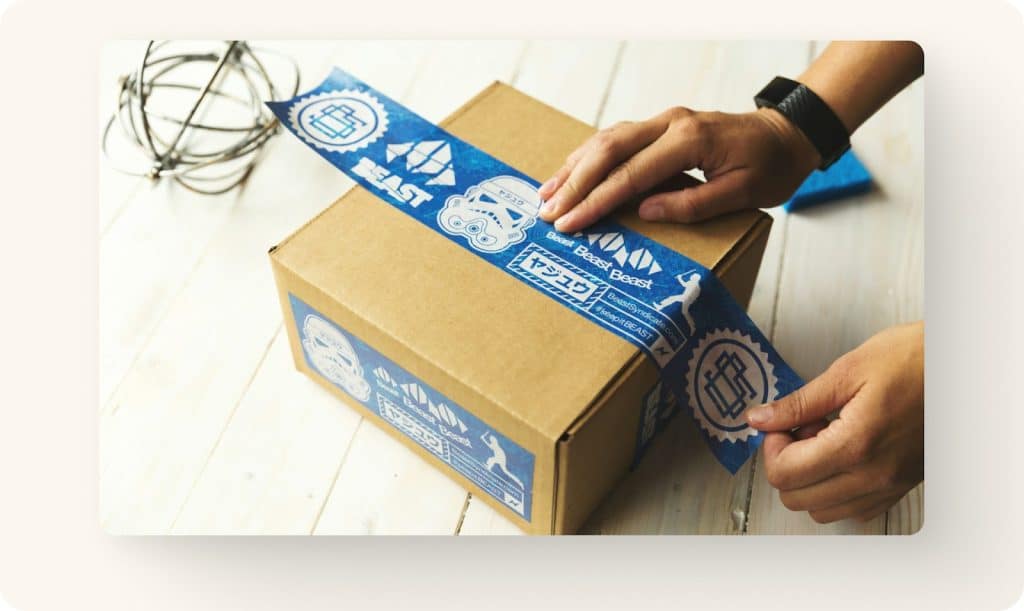
If you’re not sure where to start, begin with a packaging audit.
Pull a few recent shipments and review them like a customer. Was the box too big? Did it contain unnecessary filler? Was there excess plastic or wrapping that didn’t serve a clear purpose?
Then take stock of the materials you use. Are they recyclable? Are there better options available? Could you consolidate SKUs or standardize sizes?
An audit helps you identify quick wins. From there, work with a packaging partner to redesign with purpose.
Rethink Packaging from the Start
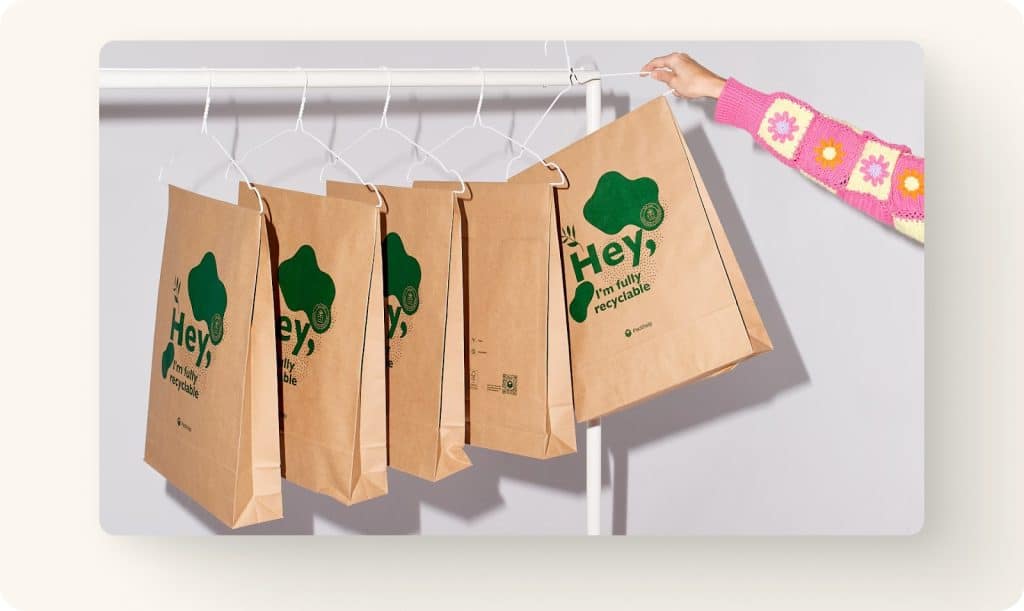
One of the most effective ways to reduce waste is to involve packaging experts early in your product development cycle. Don’t treat packaging as an afterthought. When you plan for packaging alongside your product, you can avoid oversized designs, choose more sustainable materials, and reduce costs right from the beginning. This proactive approach leads to better results across the board. For your customers, your business, and the environment.
Less Material. More Value.
Cutting packaging waste isn’t just good practice. It’s smart business. It saves money, strengthens your brand, and supports your ESG efforts.
Atlas Packaging is here to help. We design packaging that does more with less, without sacrificing performance or customer satisfaction.
Let’s talk about how smarter packaging can reduce waste and boost your bottom line.