Minimalist packaging isn’t a design trend that came out of nowhere—it’s a response to changing consumer values. As more people seek sustainability, transparency, and refined aesthetics, brands are simplifying their packaging to stand out while reducing waste (and, taking it a step further, to stand out by reducing waste).
From high-end luxury goods to everyday household products, companies are rethinking the way they present their products, proving that less can indeed be more.
Apple, Glossier, and MUJI were among the early adopters of minimalist packaging, setting a precedent for clean design that emphasizes product quality. Their sleek, pared-down aesthetics communicate confidence and clarity—something today’s consumers appreciate. But beyond just looking good, minimalist packaging is a strategic move that offers real benefits. Done right, it can reduce costs, elevate brand perception, and enhance the overall customer experience.
Let’s explore why minimalist packaging is growing in popularity, how brands across multiple verticals are using it effectively, and what businesses should consider when adopting this approach.
First, the why.
Why Brands Are Embracing Minimalist Packaging
Minimalist packaging is about aligning with what modern consumers want. Today’s shoppers are overwhelmed by clutter, both in marketing and in their daily lives. They gravitate toward brands that make their choices easier, offer a premium feel, and demonstrate environmental responsibility.
Sustainability is one of the most significant driving forces behind this shift. As packaging waste continues to pile up in landfills, consumers are actively seeking brands that use fewer materials and prioritize recyclability. Companies like Patagonia, Aesop, and Everlane have built their identities around transparency and sustainability, and their packaging reflects that ethos.
There’s also the psychological appeal of minimalism. Clean, uncluttered packaging creates a sense of trust. It suggests that the brand has nothing to hide and that the product itself is high quality. When a brand chooses simplicity over excess, it communicates confidence—something luxury brands like Chanel and Le Labo have leveraged to great success.
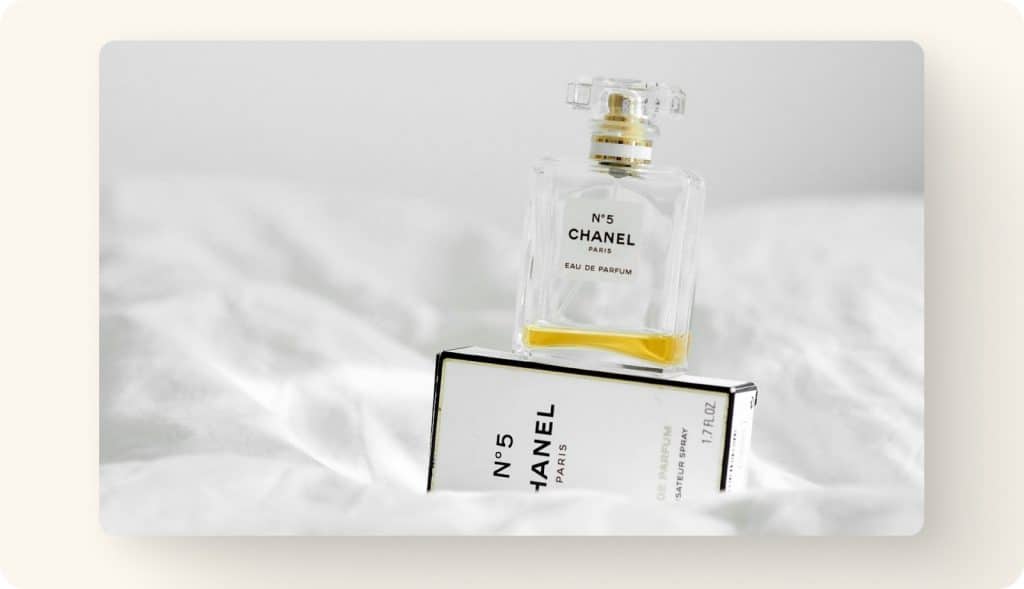
And finally, minimalist packaging enhances shelf presence. In a sea of bright, chaotic designs, a simple, well-executed package can be more eye-catching than something overly complex. This is particularly effective in premium markets, where consumers associate minimalism with sophistication and exclusivity.
Sustainability and Minimalist Packaging Go Hand in Hand
Minimalist packaging is often more sustainable by design. Using fewer materials means less waste, and brands committed to eco-friendly practices can take this even further by choosing biodegradable, recyclable, or reusable packaging.
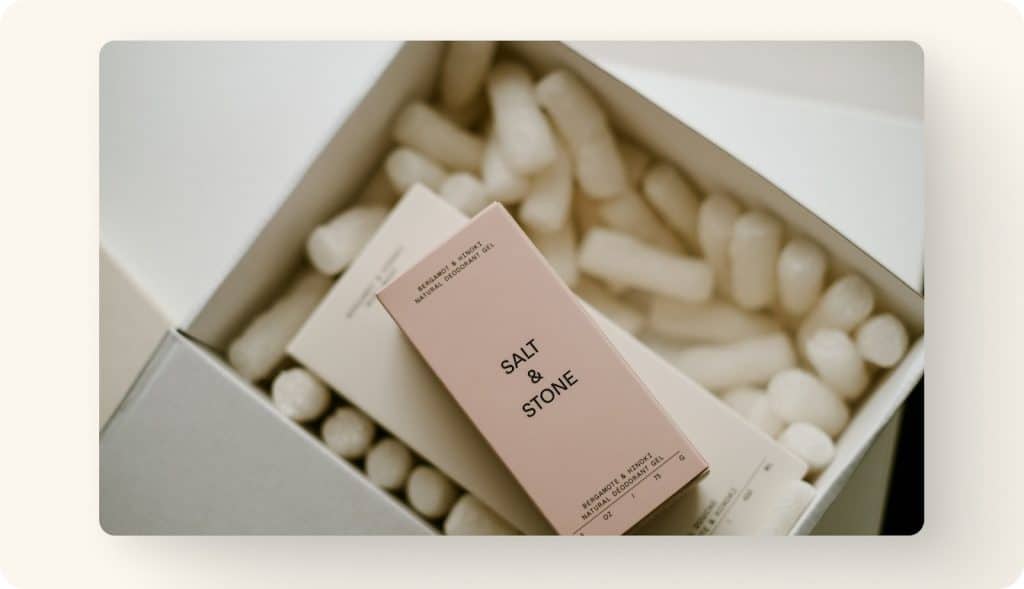
Brands like Lush and Glossier have embraced minimal, eco-conscious packaging by stripping away unnecessary elements. Lush’s naked packaging approach—where products like shampoo bars and solid lotions are sold with zero or minimal wrapping—has significantly reduced plastic waste. Glossier, known for its soft pink aesthetic, keeps its packaging lightweight and recyclable, proving that sustainability and brand identity can coexist.
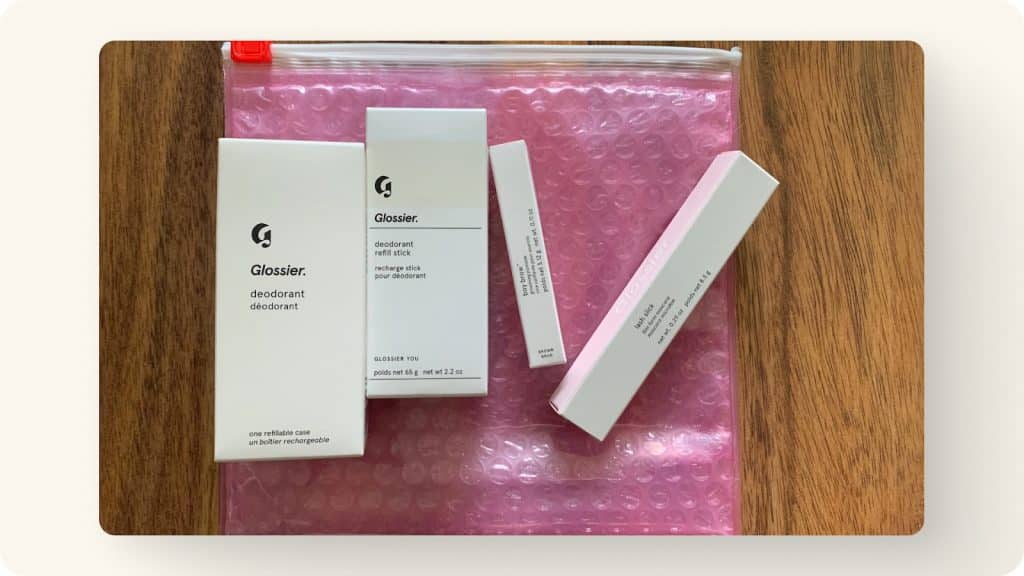
For brands looking to implement minimalist, eco-friendly packaging, here are some key strategies:
- Use fewer materials: Right-sized packaging minimizes excess waste.
- Choose biodegradable or recyclable options: paper, compostable mailers, and cardboard are all great alternatives to plastic.
- Design for reusability: Refillable containers, reusable tins, and glass packaging add value while reducing single-use waste.
- Eliminate unnecessary layers when practical: Simplified packaging with fewer inserts, plastic coatings, or filler materials can make a significant impact.
Brands that prioritize sustainability in their packaging aren’t just reducing their environmental footprint—they’re also building stronger relationships with eco-conscious consumers.
How Minimalist Packaging Reinforces Brand Identity
Minimalist packaging doesn’t mean boring packaging. In fact, when done right, it can be one of the most powerful tools for brand recognition. Stripping away excess elements forces brands to focus on what matters most—their core identity.
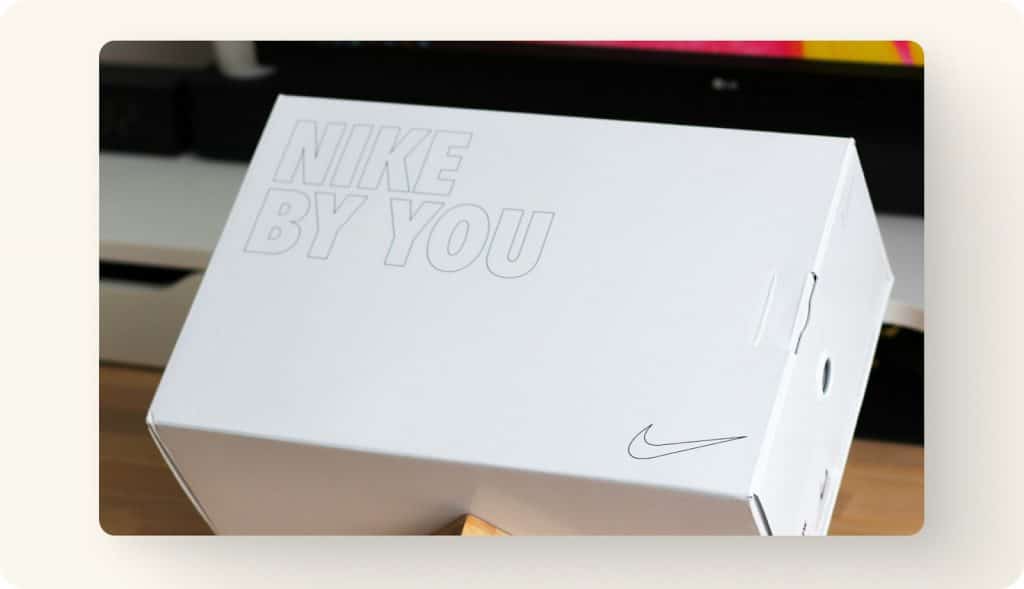
Some of the most iconic brands use minimalist packaging as a way to communicate their values:
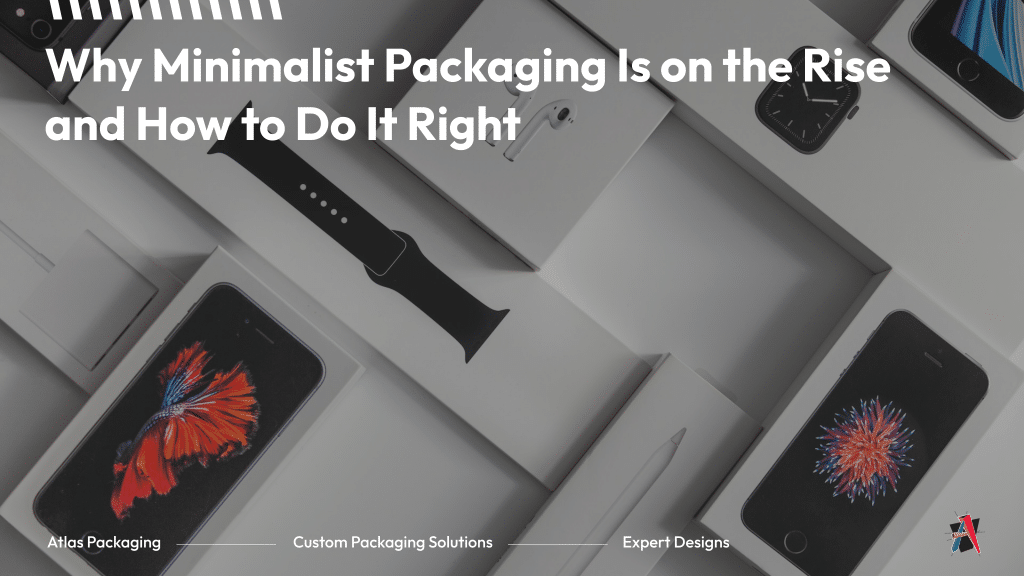
- Apple – Their signature white boxes with minimal text and clean lines reflect their sleek, innovative products.
- Aesop – The skincare brand uses amber glass bottles with simple, uniform typography, reinforcing its clinical yet luxurious aesthetic.
- MUJI – With its no-frills approach, MUJI’s minimalist packaging embodies its philosophy of simplicity and functionality.
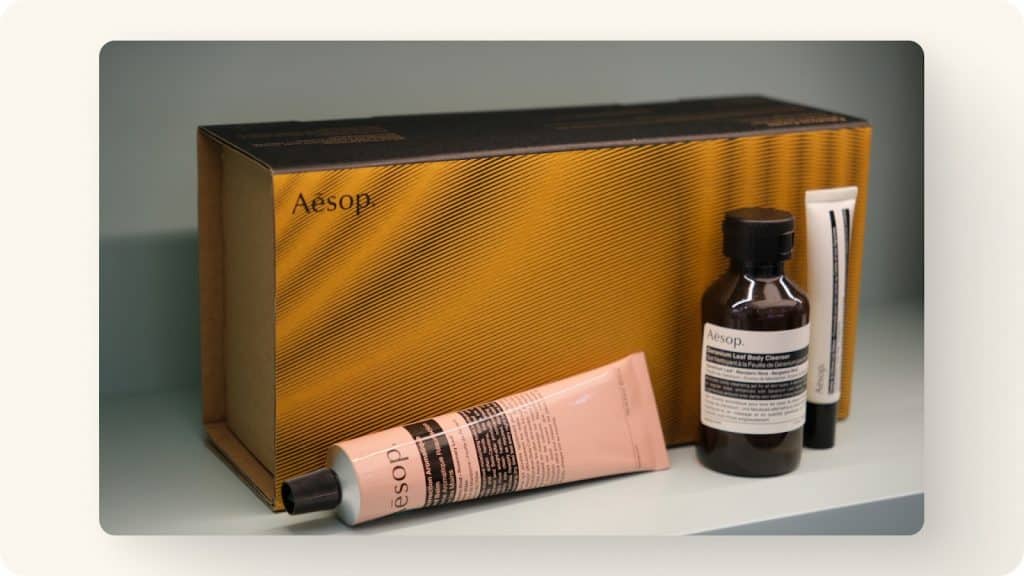
For brands looking to harness the power of minimalist packaging, here’s what to keep in mind:
- Typography matters – A well-chosen font can make a stronger impact than flashy graphics. Clean, sans-serif fonts often work best.
- Color choices should be intentional – Muted, neutral palettes can create a premium feel, while a single bold color can make a striking statement.
- Texture adds depth – Embossing, matte finishes, or uncoated materials can create a sense of quality without adding clutter.
- Whitespace is powerful – Giving elements room to breathe makes the design feel more deliberate and sophisticated.
The key is to create packaging that feels refined and intentional rather than unfinished.
Balancing Functionality and Aesthetics
Minimalist packaging needs to do more than look good—it has to protect the product and enhance the user experience. The best designs find a balance between form and function, ensuring that the packaging is practical while maintaining a sleek, uncluttered look.
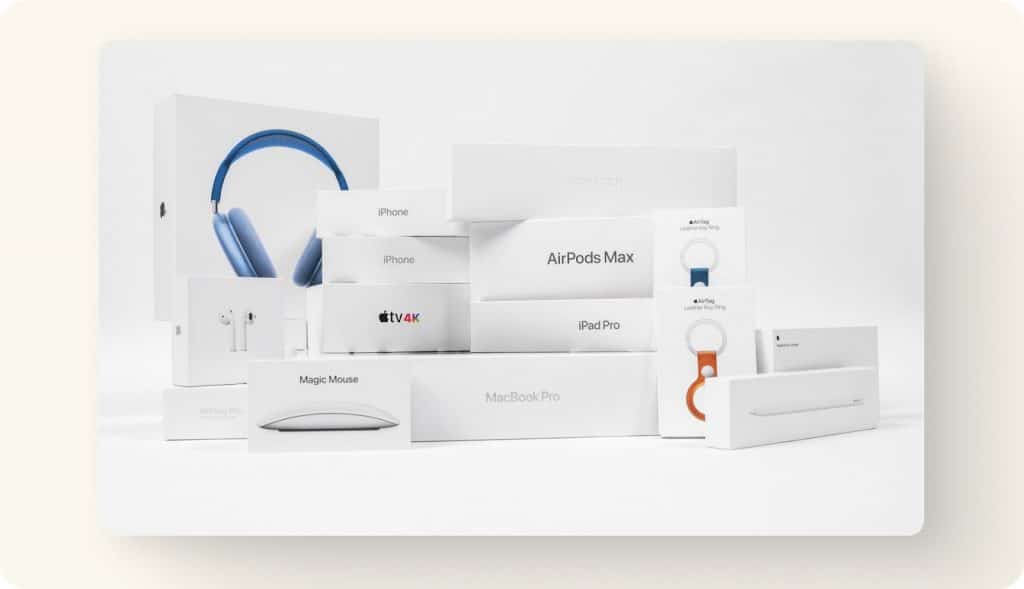
Take Apple’s packaging, for example–they’re the king of striking this balance. Their boxes aren’t just visually appealing; they’re engineered for a smooth, satisfying, and memorable unboxing experience. The same can be said for high-end cosmetics brands, where minimal design is paired with high-quality materials to create a luxurious feel.
When designing minimalist packaging with functionality in mind, consider the following:
- Right-sizing – Packaging should fit the product perfectly, reducing excess material while providing adequate protection.
- Easy-open designs – Consumers appreciate packaging that’s simple to open without unnecessary layers or frustrating seals.
- Durability – Less packaging shouldn’t mean less protection. Using strong, lightweight materials ensures that the product remains intact.
- User experience – From unboxing to storage, the packaging should feel intuitive and purposeful.
A well-executed minimalist package isn’t just about removing elements—it’s about ensuring that what remains serves a clear purpose.
How Atlas Packaging Can Help
At Atlas Packaging, we specialize in creating high-quality, minimalist packaging solutions that help brands streamline their designs while maintaining a strong brand presence. Whether you’re a luxury brand looking for premium, minimalist packaging or a sustainable business focused on eco-friendly materials, our team can help you find the right balance between aesthetics, functionality, and environmental responsibility.
Want to explore minimalist packaging for your brand? Contact Atlas Packaging today to design packaging that reflects your values and resonates with today’s consumers.