The best DTC brands know packaging isn’t just protection. It’s presentation, persuasion, and retention. That’s one of the most important packaging tips you’ll ever hear.
The box on someone’s doorstep is your storefront, your ad, and your first physical impression. Done well, it builds loyalty and repeat sales. Done poorly, it’s a missed opportunity.
Here’s what top direct-to-consumer brands are doing differently, and what you can take from their playbook.
Packaging Tips That Will Impact Your DTC Businesss
In DTC, packaging has to do more than survive shipping. It needs to deliver a full brand experience. It’s the moment customers decide whether your brand feels premium, forgettable, or cheap.
According to Dotcom Distribution, nearly two-thirds of consumers say a great unboxing experience makes them more likely to buy again. That means your packaging strategy is a retention strategy. It’s a way to turn one-time buyers into repeat customers.
The world’s best direct-to-consumer packaging strategies combine brand storytelling, function, and shareability. Every detail, from structure to typography, matters because it communicates who you are.
1. Design the Unboxing Experience
The unboxing moment is the closest thing DTC brands have to a retail aisle. It should feel intentional from the first tear strip to the final reveal.
Glossier does this better than almost anyone. Their pink bubble wrap pouches, stickers, and branded tissue make each delivery feel like a gift. They’re instantly recognizable, often photographed, and perfectly aligned with the brand’s identity.
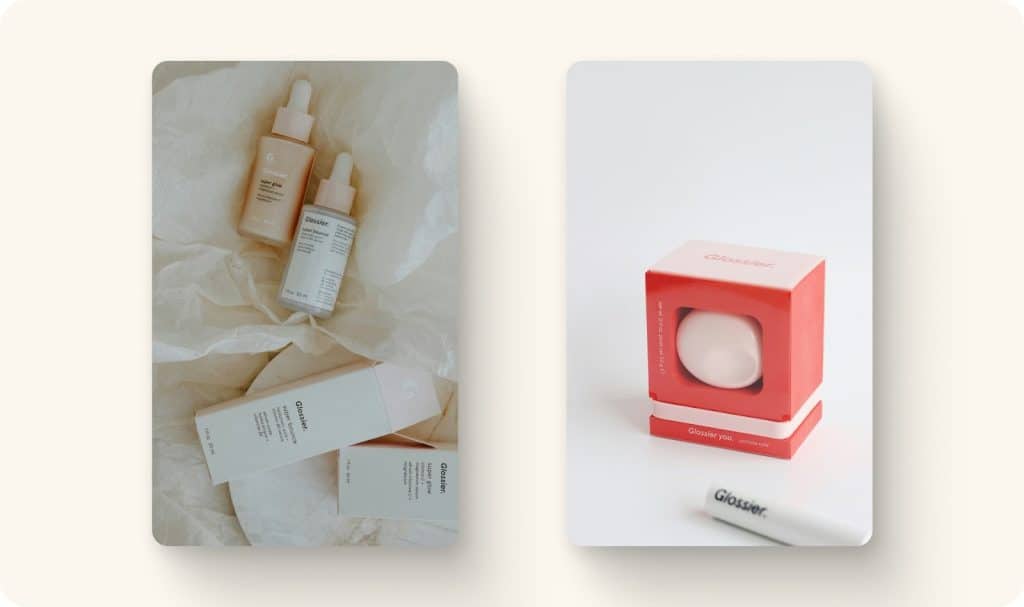
To follow their lead:
- Keep opening steps simple and satisfying.
- Use interior printing or branded tissue for a visual surprise.
- Add small touches that feel human, like a short thank-you note or QR code linking to a how-to video.
The goal is to make the unboxing process easy, enjoyable, and unmistakably yours.
2. Right-Size for Protection and Cost
Oversized boxes don’t impress customers, they frustrate them. They also drive up shipping costs and waste materials. Smart DTC packaging fits the product perfectly and balances protection with efficiency.
Allbirds gets it right. Their shoe boxes double as mailers, reducing extra layers and eliminating void fill. It’s neat, protective, and eco-conscious. The design also simplifies fulfillment and minimizes waste.
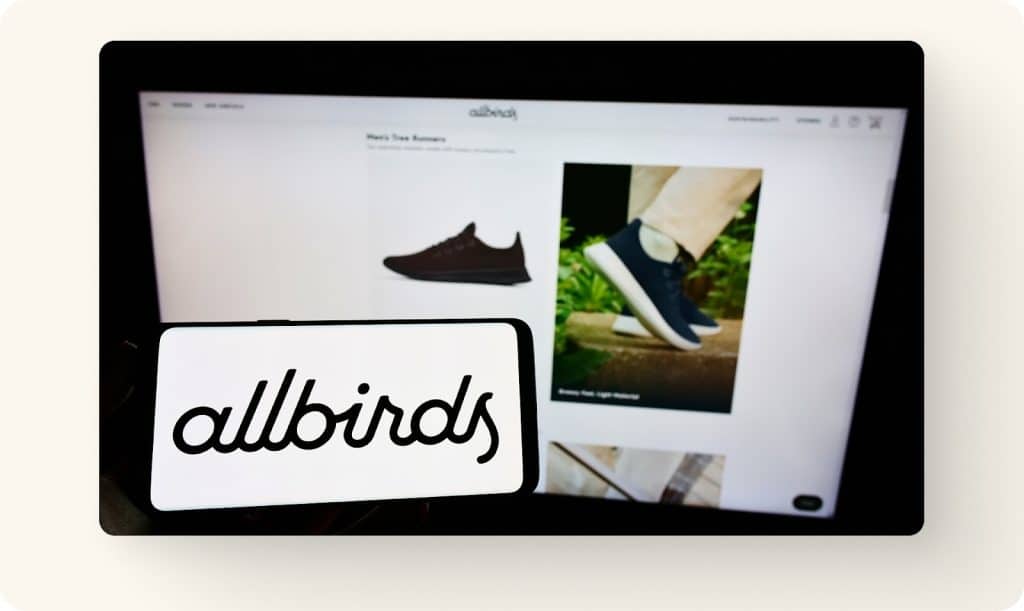
Audit your own packaging. Are you using space wisely? Could your box serve multiple purposes? Right-sizing is one of the simplest ways to lower shipping costs and reduce your environmental footprint while keeping your unboxing experience premium.
3. Make Sustainability a Selling Point
Sustainability isn’t a niche concern anymore, it’s a customer expectation. Packaging choices say a lot about your brand’s values.
Patagonia leads the way here. They’ve reduced plastic across their e-commerce packaging, switched to recycled materials, and use clear on-pack communication to explain how to recycle each component. It’s part of their brand promise, not an afterthought.
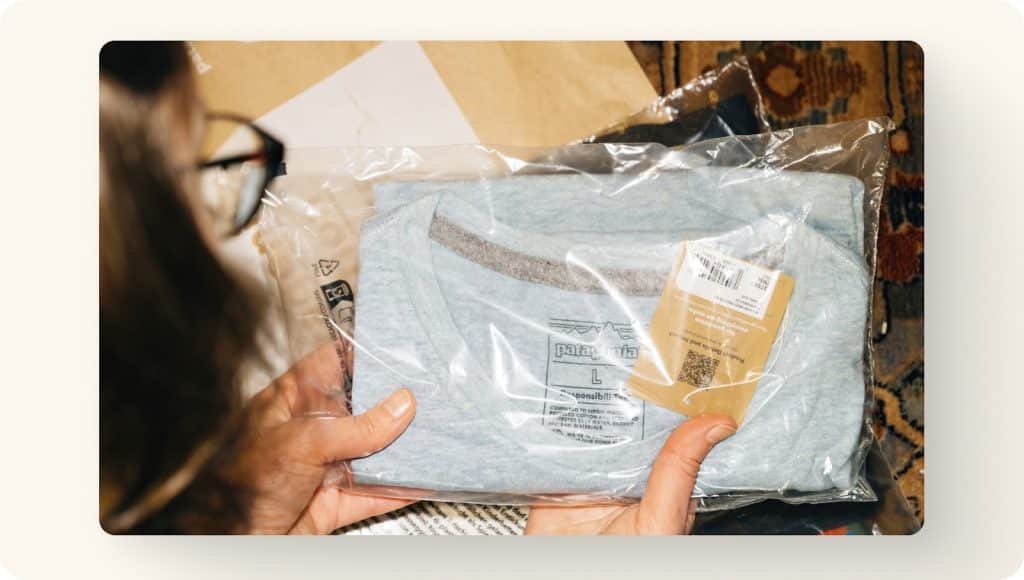
Brands that treat eco-friendly packaging as part of their story gain trust and loyalty. Even simple moves like switching to kraft corrugate or soy-based inks can strengthen perception and align with consumer values.
If sustainability matters to your customers, show it clearly. Don’t hide it on the back panel, make it part of the experience.
4. Build Marketing Into the Box
Every package is a communication channel. Use it to extend the story and drive action.
HelloFresh does this well. Their boxes include QR codes that lead to digital recipes, promotions, and seasonal offers. Inserts feature care tips, new product teasers, and referral incentives. It’s smart, direct, and measurable.
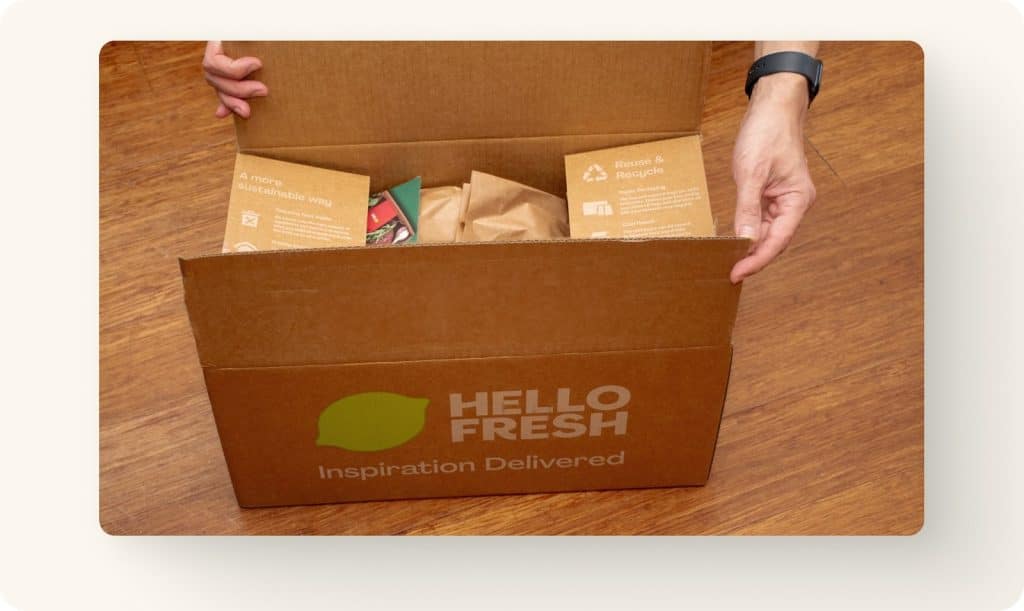
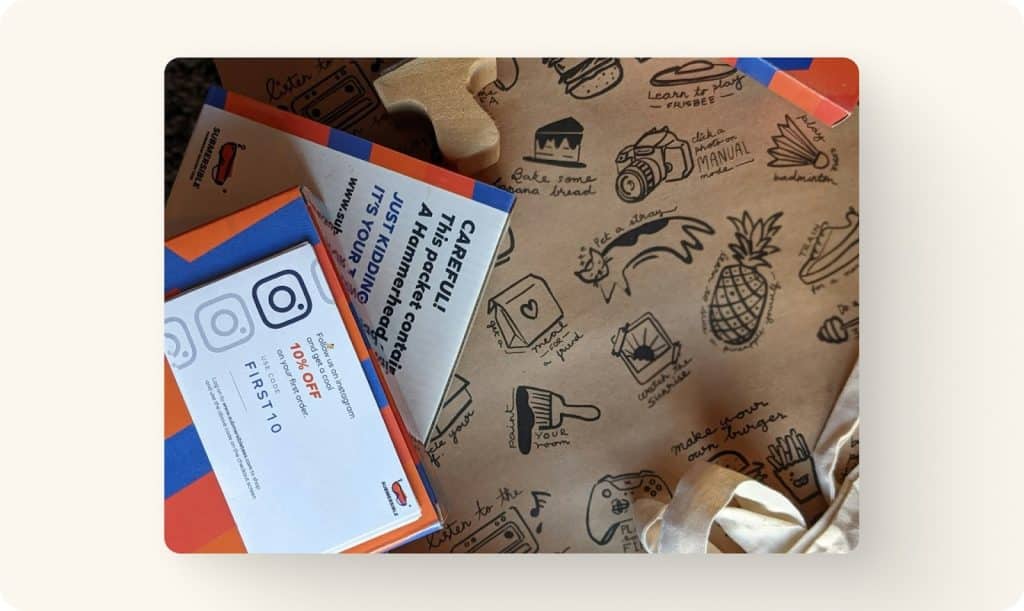
Your packaging can do the same. Add QR codes that lead to social pages, loyalty programs, or refill links. Print short brand stories or care instructions on inner panels. Include a discount for a second order.
Packaging that markets is packaging that performs. It keeps the relationship going after the box is opened.
5. Personalize the Experience
DTC gives you access to customer data that retail can’t. Use it to personalize packaging and strengthen connection.
Care/of built its brand on this idea. Each daily vitamin pack includes the customer’s name and a motivational note. It’s simple but powerful. It feels tailored and thoughtful at the same time.
You don’t need full personalization to make an impact. Even small details like handwritten thank-you cards, “packed by” signatures, or segmented packaging for first-time buyers vs. repeat customers can build trust and familiarity.
When packaging feels personal, it turns an order into a relationship.
6. Plan Ahead for Scale
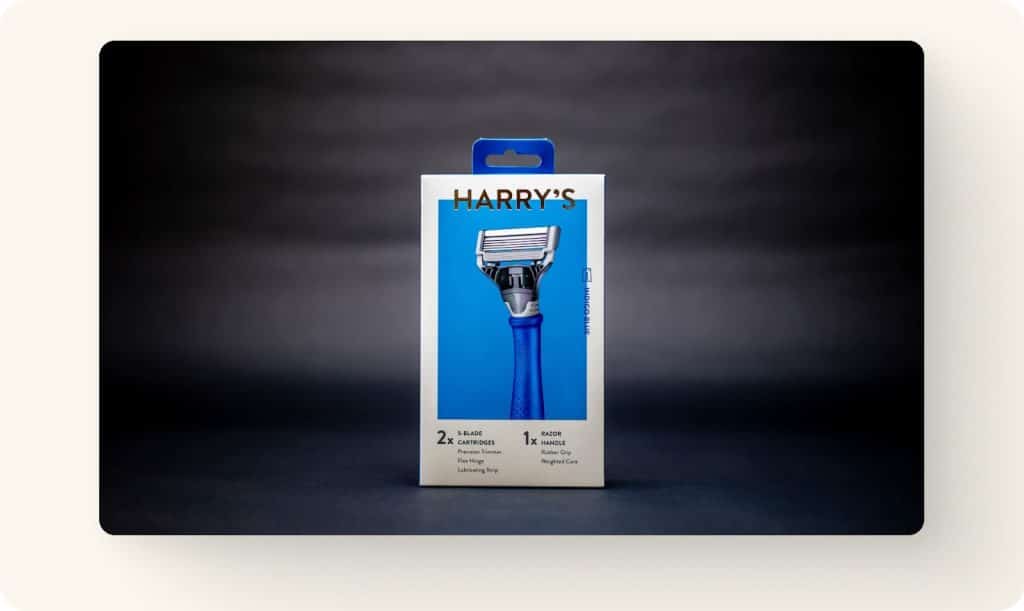
Growing DTC brands often outpace their packaging. What worked for a hundred shipments may not work for ten thousand. Planning ahead ensures you can scale without losing quality or consistency.
Harry’s is a great example. As their shaving business grew, they evolved from simple mailers to sleek branded boxes that still ship efficiently. Each redesign kept the brand’s tone clean, confident, and functional while streamlining production.
If you expect volume growth, lock in materials, test prototypes, and partner early with a packaging supplier that understands scalability. Supply issues and cost overruns hit hardest during peak seasons, especially for subscription and holiday orders.
Smart planning protects both your margins and your brand reputation.
These Expert Packaging Tips Build Stronger Brands
Every touchpoint tells a story, but packaging tells it in your customer’s hands. It’s tactile proof of your values, your quality, and your attention to detail.
Brands that invest in packaging strategy aren’t spending more, they’re spending smarter. They ship fewer damaged products, reduce waste, increase retention, and turn their customers into advocates.
At Atlas Packaging, we help DTC brands design packaging that works hard, protecting your products, lowering costs, and delivering an unforgettable experience.