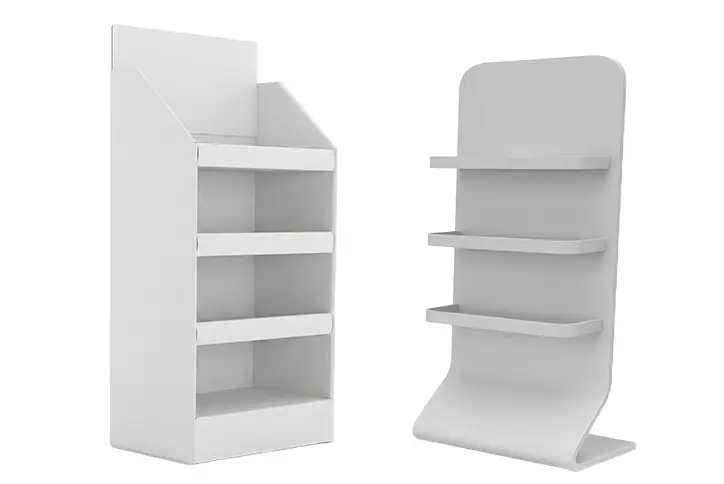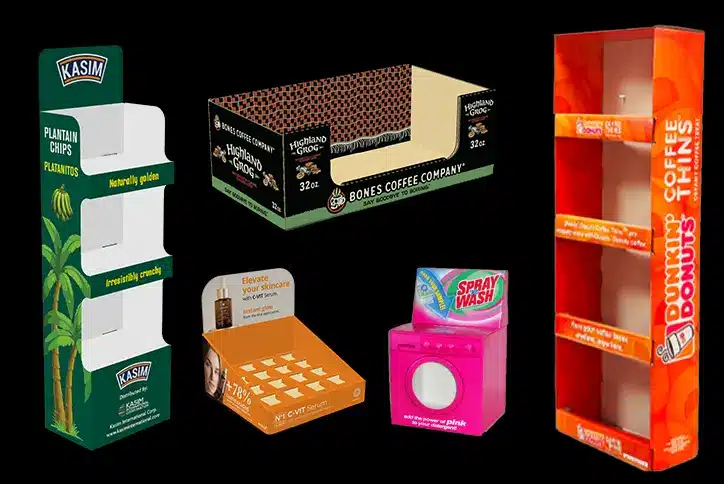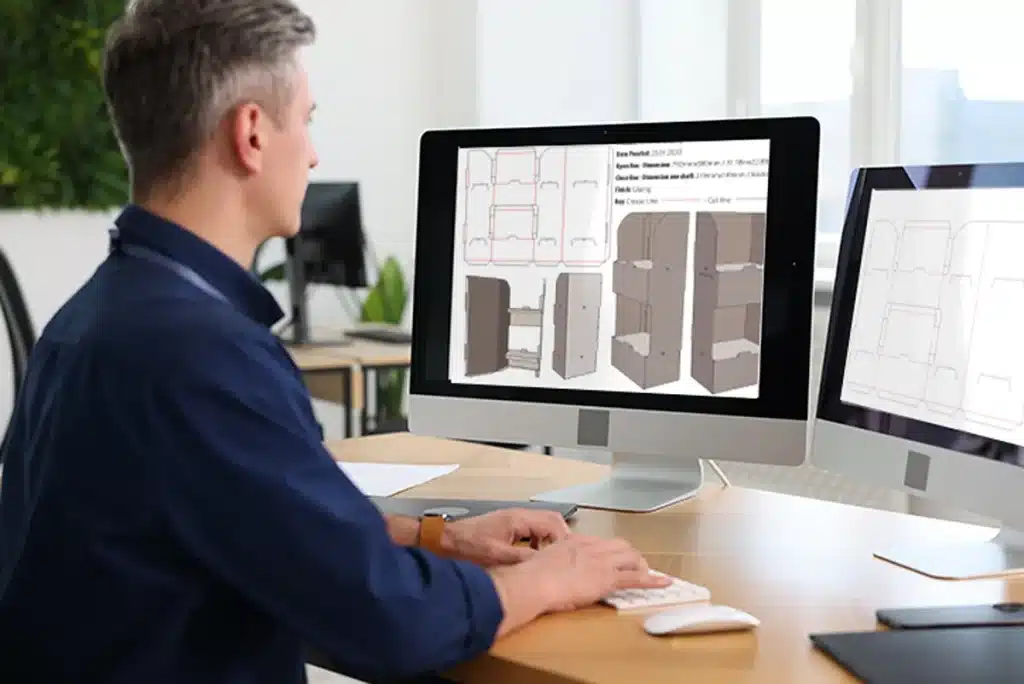
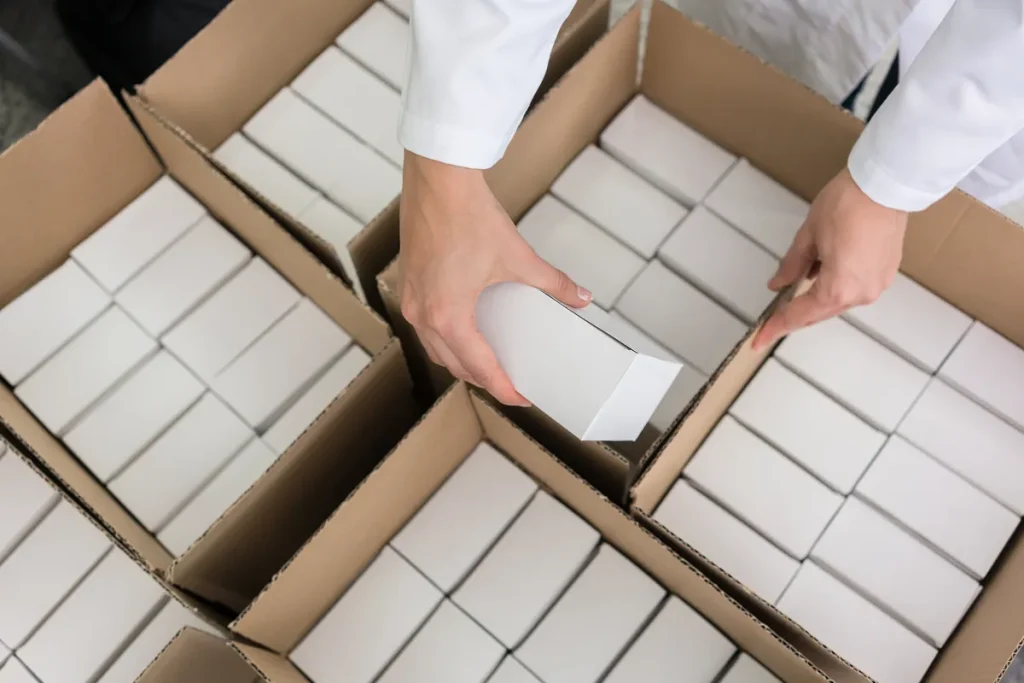
For companies that lack resources or would prefer to focus on product development and manufacturing, co-packaging services provide a viable solution. When comparing partners, your checklist should include capacity, lead-time, and price. When the comparison stops there, issues may arise after you sign, leading to delays and additional costs. Here, we are outlining the less obvious considerations when choosing co-packing services.
Understanding Co-Packing Services
Co-packaging is short for contract packaging. It is an outsourced service that is hired to package a manufacturer’s products. The co-packer provides the packaging, labor, and materials, and may source packaging components, such as clam shells or zip ties. Some products need to arrive at the co-packer already sealed in primary packaging. This commonly includes consumable and regulated products.
While contract packaging can involve several types of secondary packaging work, most projects fall into a few common service categories.
- Display pack-outs for retail, club store, and distribution center programs
- Product loading into trays, cartons, displays, shippers, or other secondary packaging
- Multi-SKU kitting, including variety packs, component kits, paperwork, tags, and small parts
- Clamshell and blister-style packaging support when the product arrives sealed and ready for secondary packaging
- Barcode labeling, relabeling, lot code printing, and other manual rework
- Sorting, repalletization, gluing, taping, and other labor-intensive correction work
- Foam, corrugated, wood, or chipboard component assembly when protective packaging is part of the project
- Retail-ready packaging setup, including trays, club packs, pallet displays, and filled display shippers
- Staging, packing, and preparation for customer pickup, local delivery, distribution centers, or retailer routing
Co-Packing Services is More Than A Labor Source
Co-packing services are a smart way to increase labor without adding the challenges of hiring and managing additional employees. But if looking at it as solely a labor source is a mistake. The work involved may seem straightforward, but the details are often where co-packers can fall short. For example, a display that may be easy to manufacture can be slow to fill, extending the ship date and putting retail programs at risk. Another example is a labeling change that seems minor but delays a shipment because the instructions are unclear or the processes lack control. That is why buyers should evaluate how a co-packer manages the full workflow, not just whether they have people available to do the work.
- Was packaging designed for the pack-out process?
- How do they handle multi-SKU complexity?
- Can they scale with control?
- Are all services coordinated together?
Was Packaging Designed for the Pack-Out Process?
When the packaging or display manufacturer and the co-packer operate independently in silos, the co-packer may face challenges. The packaging manufacturer may have manufactured the display or boxes to spec, but that may not have taken into consideration how they are assembled, filled, palletized, and shipped.
Some questions to answer include:
- Can the product be loaded without damaging the carton, tray, display, or graphics?
- Does the shipper protect the filled display during handling?
- Are trays, inserts, dividers, and labels arranged so operators can pack the product in the correct order?
- Can operators repeat the process without extra handling that slows the line or increases damage risk?
- Will the filled package or display hold up through palletizing, stretch wrapping, transit, and unloading?
- Are retailer, club store, or distribution center requirements known before the packaging is finalized?
- Does the packaging need to protect the product, present it at retail, or both?
- Can the package be assembled consistently by the people doing the pack-out, not just by the designer who built the sample?
One way to avoid these issues is to work with a corrugated packaging and display manufacturer that offers contract packaging services. By involving them early, they can design packaging around ease of use, retail requirements, and shipping and handling.
How is Multi-SKU Complexity Handled?
Multi-SKU bundles are a popular way for manufacturers to get a variety of products into consumers’ hands, whether it’s a holiday gift set, influencer kits, or a starter kit. However, multi-SKU kitting is not limited to consumer variety packs. It can include retail club packs, medical or device kits, industrial component kits, pallet displays, service kits, promotional kits, and wood crate kits with paperwork, tags, fasteners, foam, labels, or other small parts. It includes any project in which various components, SKUs, documents, or accessories must be brought together into a finished unit.
Fulfilling multi-SKU kits consistently at scale creates complexity that some co-packers struggle with. Before signing with a co-packer, a buyer or packaging engineer, the following should be verified:
- Is there a written list of every SKU, insert, label, component, document, and packaging part required for each finished kit?
- How are similar-looking items separated so operators do not pick the wrong component?
- How does the team confirm that all required product and packaging components arrived before work starts?
- Are materials staged by job, SKU, lot, version, retailer, or order requirement?
- Are instructions written in the same sequence that operators will follow on the floor?
- How does the co-packer prevent old labels, inserts, packaging, or components from being used after a kit changes?
- What happens if one component runs out before the rest of the kit materials are used?
- Are kits checked by count, scan, weight, visual inspection, signoff, or another repeatable method?
- Who approves the next step when the product arrives damaged, mislabeled, short, mixed, or different from the instructions?
- How are completed kits labeled, counted, palletized, and segregated before shipment?
Can the Co-Packer Scale Efficiently?
Whether scaling is needed due to growth, seasonality, or unexpected schedule change scaling a co-packing project involves much more than adding people. Extra labor will only help if the co-packer has enough space, supervision, and staging control to keep the job moving efficiently while minimizing mistakes. A project may start with one shift or a small crew, that can change with little warning if a retailer moves a date, a product arrives late, or volume increases after the first run.
Before signing with a co-packing service, buyers should verify how the co-packer increases labor while keeping the process controlled:
- How quickly can the co-packer add trained labor if the project volume changes?
- Who trains temporary or added labor, and who supervises the work on the floor?
- Are pack-out instructions written clearly enough for new workers to follow without guessing?
- Is there enough room to stage incoming product, packaging components, active work, and finished goods separately?
- How are mistakes caught before product is palletized or shipped?
- What happens if the project changes after product arrives, such as a new label, revised kit, added SKU, or changed ship date?
A co-packer that can add people but cannot control staging, instructions, and verification may move faster for a short time, but create more work later. Buyers should ask how the partner keeps the process repeatable when volume, labor, or timing changes.
Are All Services Coordinated Together?
Co-packing projects run more smoothly when packaging, kitting, fulfillment, rework, and shipping are planned as a single workflow. If each step is handled separately, the project looks feasible on paper but faces execution challenges.
Before signing with a co-packing partner, buyers should confirm who is responsible for each part of the work and how those responsibilities connect:
- Will the same partner make the packaging or display, or will components come from outside suppliers?
- Who checks that corrugated packaging, trays, foam, wood components, labels, inserts, and other materials are ready before the product arrives?
- How does the co-packer confirm that the package works for assembly, filling, handling, palletizing, and shipment?
- Who controls the bill of materials for kits, displays, club packs, or other multi-component work?
- How are customer products, packaging components, active jobs, completed kits, and finished goods staged separately?
- Who approves changes to labels, pack-out instructions, quantities, ship dates, or retailer requirements after the job starts?
- Can the partner handle rework, relabeling, repalletization, sorting, taping, gluing, or other manual correction work if the project changes?
- Who manages the handoff to shipping, including pallet labels, routing instructions, local delivery, customer pickup, or freight coordination?
The fewer handoffs between design, packaging production, pack-out, and shipping, the easier it is to control timing and accountability. Buyers should know where the work begins, where responsibility changes hands, and what checks are performed before finished goods leave the facility.
What to Verify Before Choosing Co-Packing Services
Buyers do not need to know every operational detail before contacting a co-packer, but they should know whether the partner has a controlled process for the work they are outsourcing.
| Area To Verify | What To Ask Before Signing | What A Weak Answer May Indicate |
|---|---|---|
| Packaging And Pack-Out | Was the package reviewed for assembly, filling, palletizing, and shipment? | Packaging may meet specs but slow the floor or increase handling damage. |
| Multi-SKU Kitting | Is there a bill of materials and a process for staging, counting, and verifying every component? | Similar SKUs, labels, inserts, or kit versions may get mixed. |
| Labor Scaling | How are added workers trained, supervised, and checked? | More labor may increase output but also increase errors. |
| Floor Space And Staging | Where are incoming products, packaging components, active jobs, and finished goods kept? | Crowded staging can lead to picking, labeling, and shipment errors. |
| Rework And Changes | Who approves label changes, revised counts, substitutions, or corrected instructions? | Small changes may stall the job or create inconsistent finished goods. |
| Fulfillment And Shipping Handoff | Who controls pallet labels, routing instructions, customer pickup, local delivery, or freight coordination? | The finished product may be packed correctly but delayed at the handoff. |
Atlas Packaging And Displays Co-Packing Services
Atlas Packaging & Displays co-packing service is designed with the full process from packaging design through pack out and shipping in mind, but we have the flexibility to complete stand-alone assembly and pack out projects with customer-supplied materials. Customers appreciate our willingness to adapt to their needs rather than forcing the project into a rigid process. With dedicated space for contract packaging work and the ability to scale labor up or down as volume changes, we help keep assembly, pack-out, staging, and shipping connected without requiring customers to coordinate several fragmented vendors.
Talk with us about your co-packing project to review packaging requirements, labor needs, staging, and shipping before work begins.