Retail brands often assume permanent point-of-purchase displays are the better investment because they stay on the sales floor longer. In some situations, that is true. Permanent displays can support established products with consistent demand and long-term shelf presence. However, many retail programs do not need a display that lasts for years. Product launches, seasonal promotions, limited-time campaigns, and retailer-specific programs often benefit more from temporary point of purchase displays. Choosing the wrong display type can increase costs, create logistical challenges, and reduce flexibility when market conditions change. Understanding where temporary displays fit can help brands align display investments with merchandising objectives.
Define the Display’s Purpose
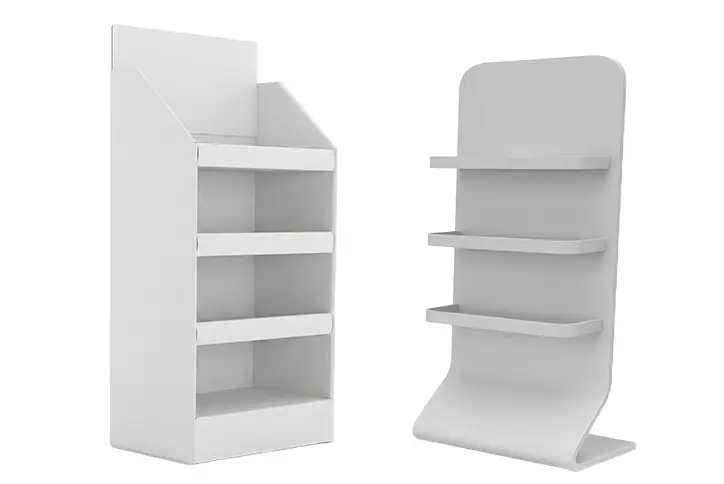
Before selecting a display material or structure, companies should first determine what the display is expected to accomplish. A permanent fixture is built for longevity. It may remain in a retail environment for months or years and is often used for products with stable, predictable demand. Because of its longer lifespan, a permanent fixture typically requires a larger upfront investment and may require more retailer review because it affects store layout, maintenance, labor, and long-term merchandising strategy.
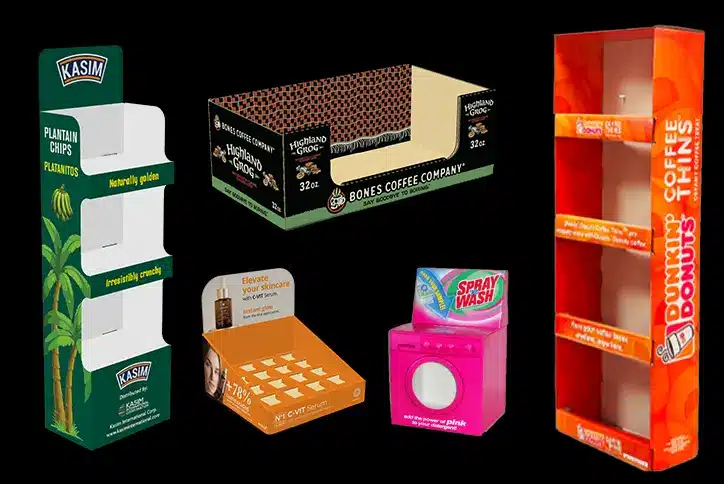
Temporary point of purchase displays are designed for a shorter retail cycle. They support promotions, product launches, seasonal merchandise, retailer programs, and inventory pushes. Once the campaign ends, the display is removed and replaced. For many retail initiatives, the display only needs to perform for a few weeks or months. Paying for years of durability may offer little value if the product assortment, promotions, or retailer requirements change before the fixture reaches the end of its useful life.
Product Launches
Launching a new product carries uncertainty. Sales forecasts, retailer participation, and consumer demand may not align with initial expectations. A temporary point of purchase display allows brands to enter stores quickly and evaluate performance before committing to a larger investment.
If the launch performs well, the display program can be expanded. If sales are lower than expected, the company avoids tying up significant capital in permanent fixtures that may no longer be needed. The flexibility of a temporary point-of-purchase display can be especially valuable when entering new retail channels, testing new geographic markets, or introducing new product categories.
Seasonal Promotions
Many retail opportunities exist within a defined selling window. Holiday merchandise, back-to-school products, summer promotions, and special retail events typically generate demand for a limited period. Once the promotion ends, the display is no longer needed. Temporary displays allow brands to create a dedicated retail presence without carrying the cost of a long-term fixture.
Because corrugated displays can be designed with high-quality graphics and customized structures, they can deliver a strong visual impact while remaining aligned with the promotion’s limited duration. Corrugated displays have an additional advantage of being recyclable when the promotion has ended.
Retail Programs Change Fast
Retail environments change constantly. Retailers may adjust floor plans, modify merchandising strategies, or introduce new compliance requirements throughout the year. Product packaging also changes, and new SKUs are introduced while older products are discontinued. A permanent fixture may be designed around a product assortment that looks very different two years later.
Temporary point of purchase displays provide greater adaptability. Brands can update graphics, modify display structures, adjust product configurations, and respond to retailer requirements without being locked into a display designed for a previous program. For brands that run multiple campaigns throughout the year, this level of flexibility is important.
Freight and Distribution Considerations
The display itself is only part of the total investment. Shipping, storage, assembly, replenishment, and distribution can significantly affect program costs. Larger permanent fixtures often consume more warehouse space and can require more complex transportation and installation processes. Temporary corrugated displays are generally lighter and can often be designed to ship efficiently through established retail distribution networks.
For national rollouts involving hundreds or thousands of locations, transportation and handling costs can influence the overall economics of a display program as much as the display manufacturing cost itself.
Temporary vs. Permanent Point of Purchase Displays
The right display type depends on campaign length, product demand, retailer requirements, and the total cost of production, freight, storage, and setup.
| When A Permanent Fixture Makes Sense | When A Temporary Point Of Purchase Display Makes Sense |
| The product has established long-term demand and a stable SKU mix. | The product campaign is time-limited, such as a product launch, seasonal promotion, event tie-in, or trial activation. |
| The display will remain in stores for an extended period. | The display only needs to support a defined selling window, usually weeks or months. |
| The retailer has approved a long-term placement or dedicated floor or counter space. | The retailer has approved short-term promotional space for a launch, seasonal campaign, or limited-time offer. |
| The expected sales volume justifies the higher upfront investment. | Speed, flexibility, and cost control matter more than long-term display life. |
| The structure needs to withstand repeated customer interaction over a long period. | The brand wants to test a product, market, or retail channel before committing to a fixture program. |
Design Around the Retailer’s Requirements
Retailers usually control where displays can go, how large they can be, how they are labeled, and how they move through the store’s distribution system. A display that works in one chain may be rejected by another because the footprint, signage, pallet configuration, or structural requirements do not match the retailer’s standards. This is especially important for temporary displays because they often have to move quickly from production to distribution to store setup.
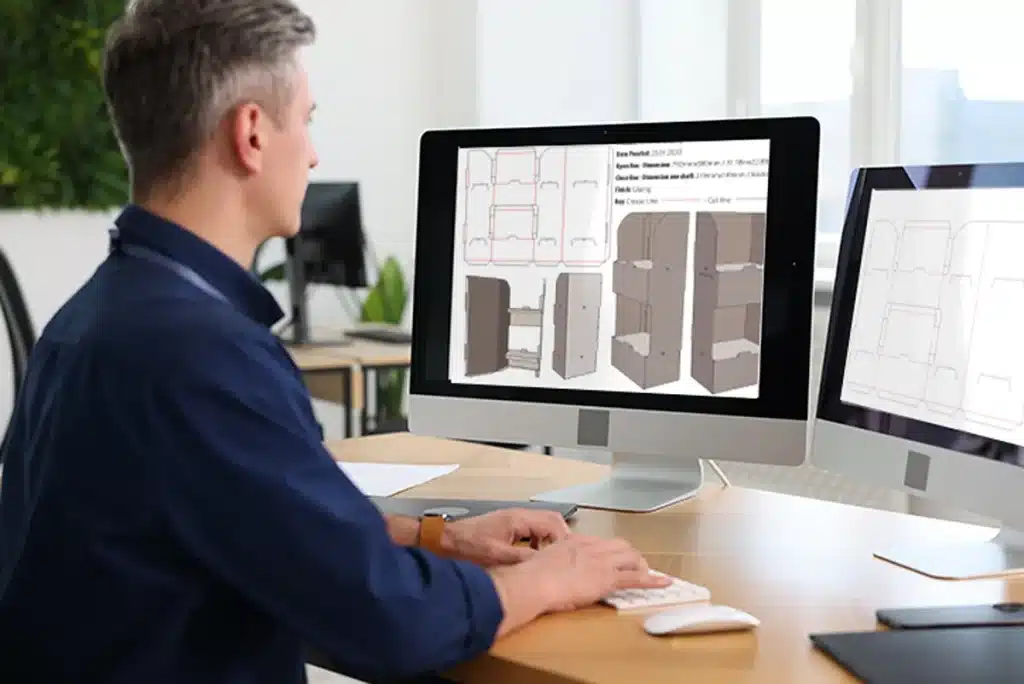
Brands should confirm retailer requirements before production begins. That includes display dimensions, board strength, product loading, price label placement, pallet requirements, safety rules, and whether the display must ship pre-packed or knocked down flat. Fixing those issues after production can delay the program and create extra costs.
Point of Purchase Displays From Atlas Packaging
Atlas Packaging designs and manufactures custom point-of-purchase displays for product launches, seasonal promotions, retailer programs, and national rollouts. We can help you determine whether a temporary corrugated display makes sense for your brand and design a display that meets your goals and resonates with customers.