Why Cardboard Displays Work for Retail
Walk into any retail store, and you’ll likely spot cardboard displays showcasing new products, seasonal promotions, or impulse buys. That’s no accident. Cardboard displays are popular for one very simple, very important reason: they work. They help products stand out, guide customers through the store, and give brands a low-cost, high-impact way to boost visibility.
Retailers and product manufacturers use cardboard displays to cut costs, stay agile, and maintain creative control over their in-store messaging. Whether you’re running a limited-time offer or launching a new product line, these displays deliver results without draining your budget.
Cost Matters—And Cardboard Delivers
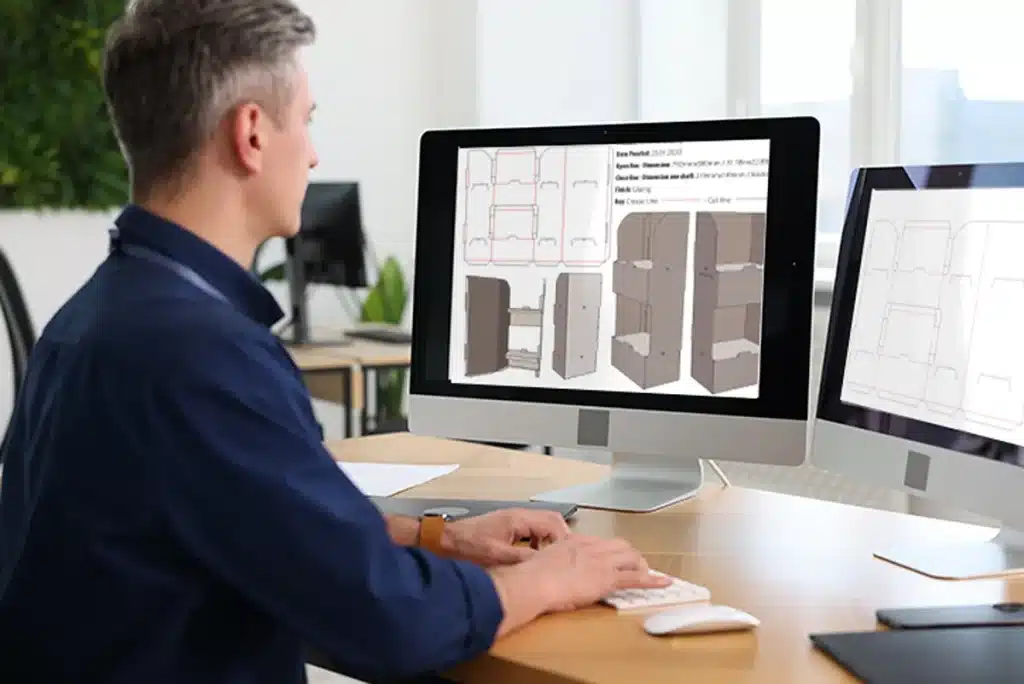
Compared to plastic or metal alternatives, cardboard displays are less expensive to produce, ship, and assemble. They’re lightweight, which keeps transportation costs down. And because they can be printed and die-cut quickly, they allow for fast turnarounds when a product needs to hit the floor fast.
For businesses operating on tight margins or managing multiple campaigns a year, these savings for retail merchandising add up. Cardboard displays offer a practical way to scale your marketing efforts across stores, regions, or seasons without investing in permanent fixtures.
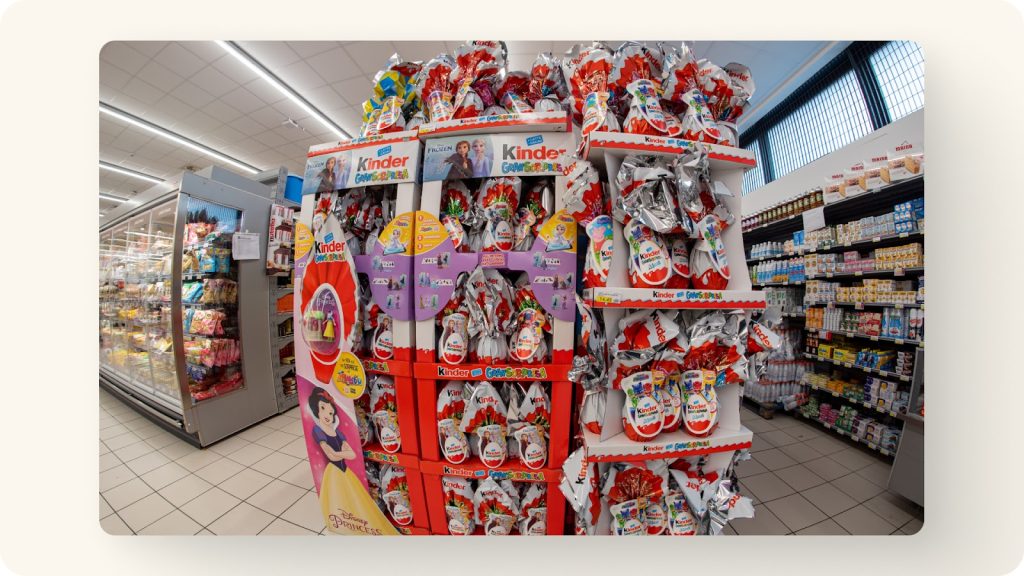
Custom Displays Made to Fit Your Brand
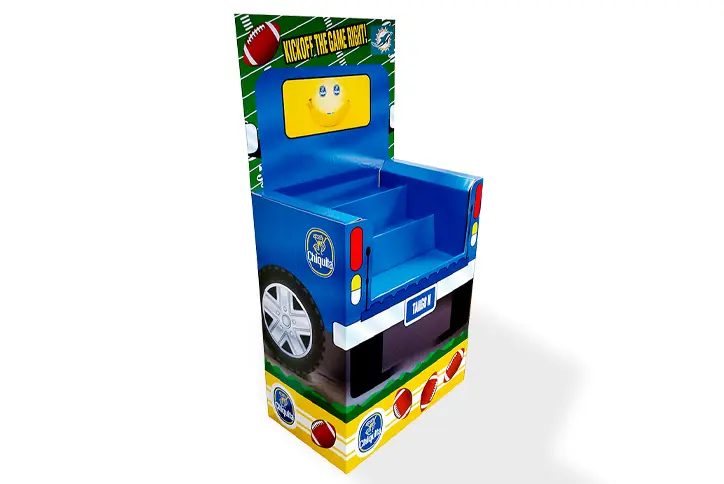
Customization is where cardboard really shines. You can tailor a display to your product’s size, shape, and marketing needs—from bold, full-color graphics to interactive cutouts that draw attention.
Seasonal campaigns? No problem. Product launch? Easy. Cardboard displays can be designed for short runs, tested, updated, and redeployed—all in a matter of days. Retailers like Target and Walmart often use temporary corrugated displays for exclusive promotions and brand takeovers. The flexibility helps brands stay fresh and visible in a crowded marketplace.
Cardboard also supports creativity. Whether you want to showcase a product with an archway display, create a tower to stack impulse buys, or feature artwork that aligns with your campaign, corrugated board makes it easy to get the form and function just right.
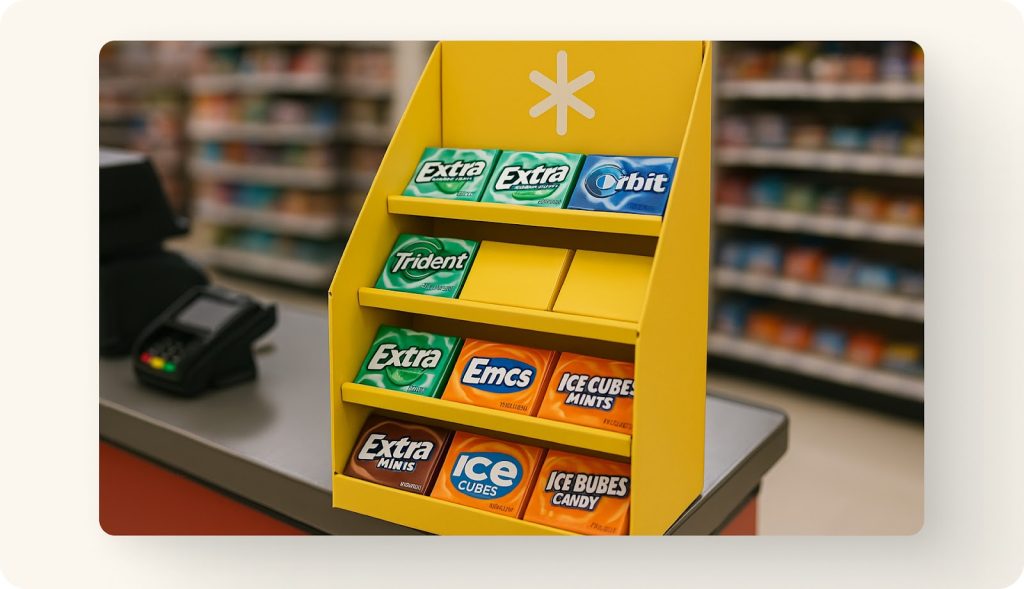
Types of Cardboard Displays
There are several common formats you’ll find in stores:
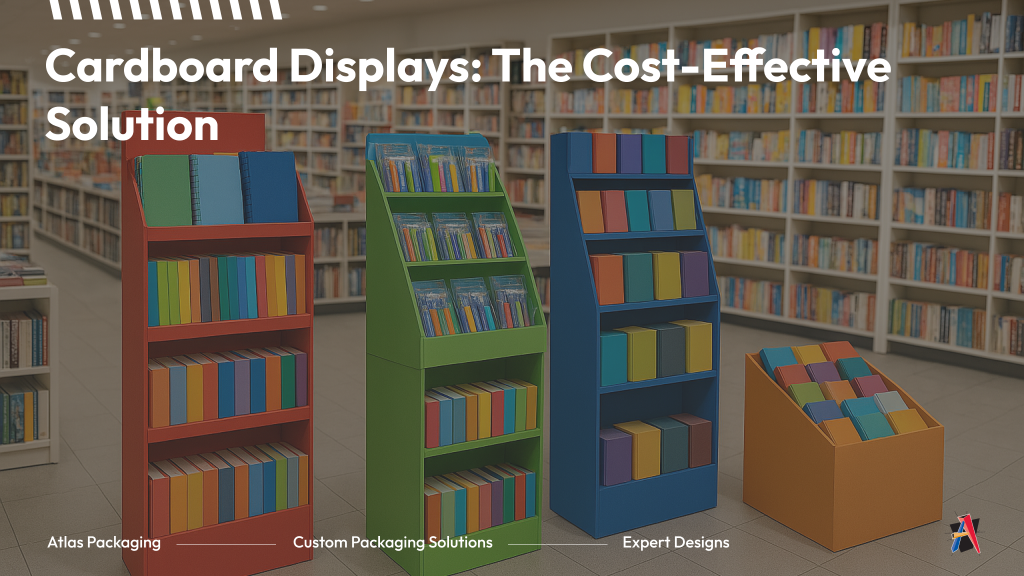
- Floor displays: freestanding units that command attention in high-traffic areas.
- Countertop displays: small-scale stands placed near registers or checkout counters.
- Endcaps: corrugated displays positioned at the end of aisles for maximum visibility.
- Dump bins: open-top containers ideal for bulk or promotional items.
Each serves a different purpose, but all are designed to create product moments that convert shoppers into buyers. Think of the Lindt holiday-themed chocolate displays you see every winter—they’re made from cardboard, but they elevate the product through thoughtful design and seasonal flair.
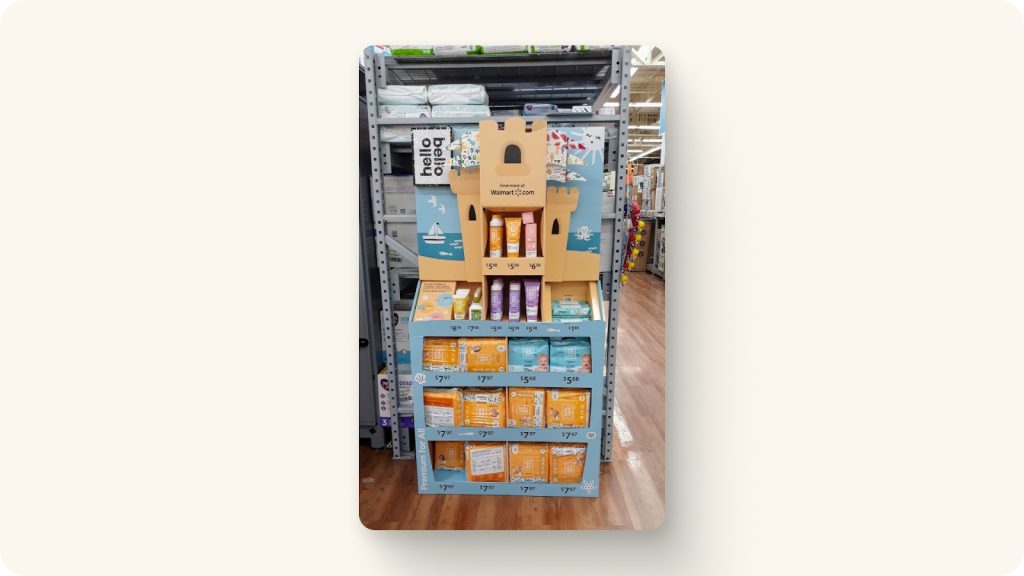
Retail Ready and Easy to Use
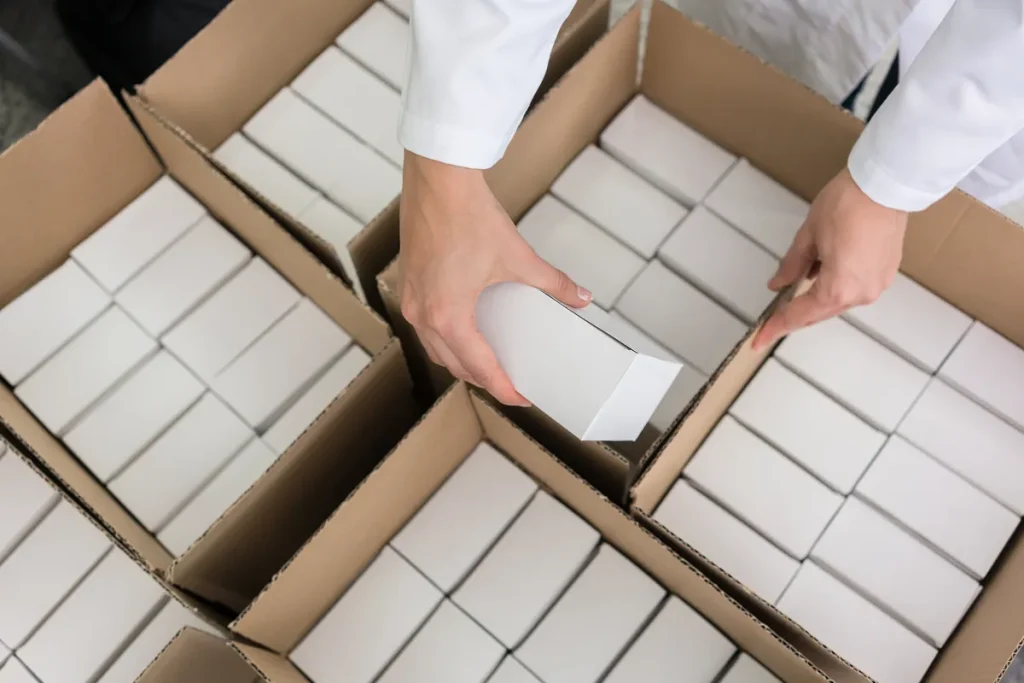
Cardboard displays are shipped flat and can be assembled quickly by store employees without tools. That means less downtime during setup and easier in-store execution, especially in busy environments. They can be used instead of or to supplement custom pallet displays.
Once set up, the lightweight structure can be repositioned based on shopper flow or seasonal foot traffic. This gives retailers and merchandisers the power to test placements, respond to inventory changes, and adapt campaigns in real time.
These corrugated displays also streamline logistics. Because they fold down flat, they take up minimal space during shipping and storage. That helps you keep overhead low while still delivering on in-store goals.
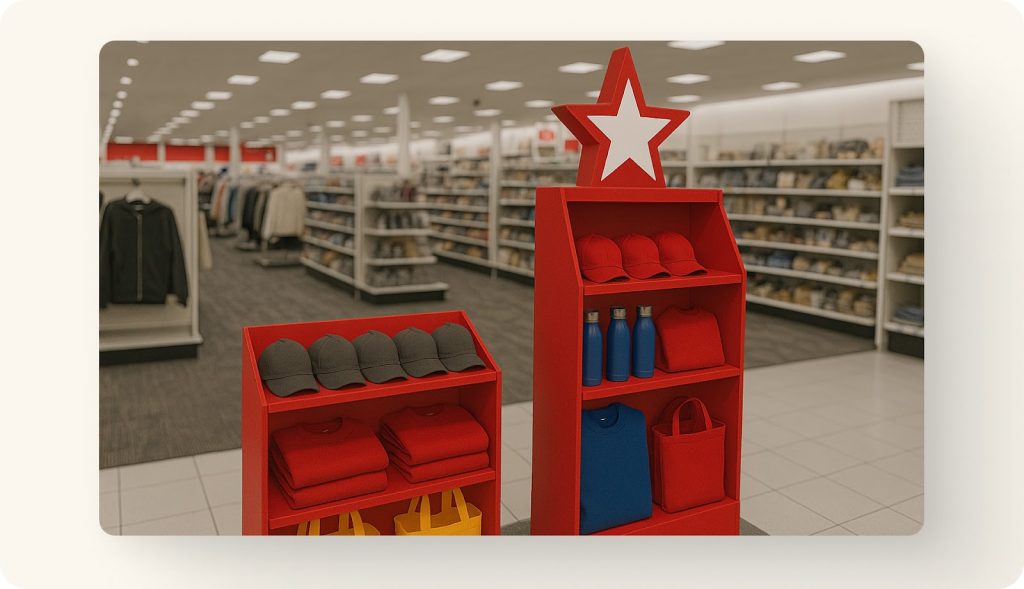
An Eco-Friendly Option That Aligns with Your Brand
Sustainability is a growing concern for consumers when it comes to retail merchandising. Cardboard displays, particularly those made from recycled corrugated board, offer an environmentally responsible option. Many manufacturers are using vegetable-based inks and water-based coatings to further reduce impact.
Companies that prioritize sustainability, like CVS and Whole Foods, regularly use recyclable displays to reflect their brand values. Choosing cardboard doesn’t just reduce waste—it signals to customers that you’re making thoughtful choices about the materials behind your brand.
What to Consider When Getting Started with Cardboard Displays
Before ordering your first run, think about your display’s location, lifespan, and load requirements. Heavier items may need reinforced board or internal supports. High-volume locations may call for specially coated graphics to maintain a clean, professional look after weeks of wear.
A good packaging partner will walk you through these details and help you avoid issues like sagging shelves or graphics that fade too quickly. At Atlas Packaging, we work with businesses to build displays that hold up under pressure—and look great while doing it.
You should also factor in how the display fits into your overall merchandising plan. Will it complement your shelf packaging? Will it be used alongside other signage or marketing materials? Thinking through these questions upfront can help you get more value from each display.
Final Thoughts
Cardboard displays for retail merchandising strike the right balance between affordability, flexibility, and visual impact. They’re simple to design, fast to produce, and easy to update as your retail strategy evolves. For retailers, manufacturers, and marketers looking for a cost-effective way to stand out, they remain one of the most valuable tools on the floor. Need help bringing your corrugated displays to life? Atlas Packaging can help you design and deliver custom cardboard displays that match your brand and budget. Reach out today to get started.