E-commerce is growing fast, and so are e-commerce packaging mistakes. More products ship every day, and more brands depend on packaging to protect those orders. Yet many businesses still treat packaging as an afterthought.
That mistake is expensive. Damaged shipments, high return rates, and poor unboxing experiences drain profits and hurt customer loyalty.
Protective packaging can prevent this.
The Cost of Getting Packaging Wrong
Every return costs more than the product itself. You lose the original item, pay shipping both ways, and spend labour hours on replacements. Add in negative reviews and lost repeat purchases, and the real cost multiplies.
Research shows nearly 40% of customers avoid reordering after receiving a damaged product. For e-commerce brands, that number should be a red flag.
Common E-Commerce Packaging Mistakes
Over-Packaging
Adding too much filler increases weight, raises shipping fees, and frustrates customers. Extra material can even put pressure on fragile items, making them more likely to crack.
Under-Protecting Products
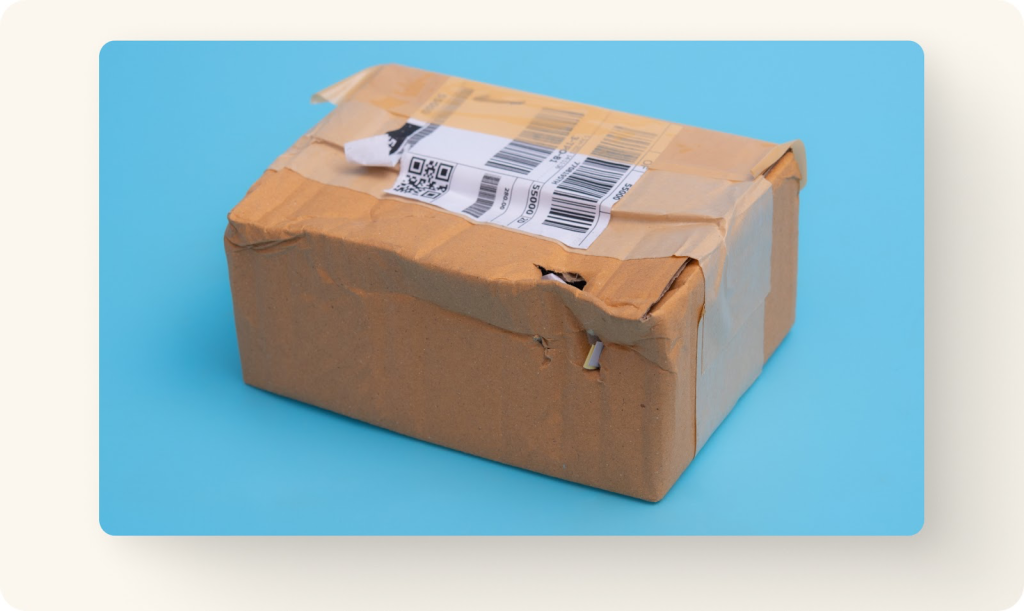
On the other side, weak boxes and minimal cushioning leave items vulnerable to impact. Corners, edges, and screens are often the first to break when packaging fails.
Ignoring Branding
A plain box gets the job done, but it misses the chance to build recognition. Customers expect packaging that reflects your brand and adds to the unboxing experience.
Inconsistent Sizing
Shipping oversized boxes wastes money. Carriers use dimensional weight pricing, so a box that’s too large costs more even if it’s light. Poor sizing also clutters warehouses and slows fulfilment.
Overlooking Sustainability
Eco-conscious buyers notice wasteful packaging. They want recyclable materials, less plastic, and clear disposal instructions. Failing to meet that expectation risks repeat business.
How Protective E-Commerce Packaging Improves the Customer Experience
Protective packaging does more than reduce returns. It builds confidence. Customers trust your brand when items arrive intact and well-presented.

Smart packaging solutions combine structure with branding. Think corrugated inserts that secure fragile items, or right-sized mailers that cut empty space without cutting protection. These details show you value the product and the person receiving it.
Balancing Protection and Cost
You don’t need to choose between durability and efficiency. Right-sized packaging lowers dimensional weight charges and still keeps items safe. Strong but lightweight materials, such as corrugated board, protect products while reducing shipping fees.
This balance also supports operations. Smaller, consistent box sizes save storage space and speed up fulfilment.
Aligning E-Commerce Packaging with Customer Expectations
Today’s customers expect more from packaging. They want durable materials, clear branding, and sustainable choices. A box that looks cheap or creates waste sends the wrong message.
Brands that invest in protective, eco-friendly packaging create a better unboxing moment. That moment shapes reviews, referrals, and repeat orders.
How Atlas Packaging Helps E-Commerce Brands
Atlas Packaging designs protective e-commerce packaging that solves these problems. We work with brands to right-size packaging to lower shipping costs, add protection without over-packaging, and create designs that align with both brand identity and sustainability goals.
Our team works with you to identify where damages happen and where money is wasted. Then we design solutions that protect products, cut costs, and improve the customer experience.
Supply Chain Impact
There’s also the hidden impact on your supply chain. When products are over-packaged or sized incorrectly, carriers charge higher dimensional weight fees. Those costs add up quickly, especially when sales volumes grow.
Meanwhile, sustainability concerns put more pressure on brands to eliminate waste. Customers are more likely to repurchase from companies that use eco-conscious packaging, which means sloppy design doesn’t just affect logistics—it influences repeat sales too.
Addressing these issues early creates a system that protects your products, delights your customers, and keeps costs under control. In other words, packaging isn’t just about moving goods; it’s about protecting revenue.
The Bottom Line
Many e-commerce brands underestimate how much poor packaging eats into their bottom line.
Product damage alone drives up replacement and reshipping expenses, but the true cost runs deeper. Every time a customer receives a broken item, you risk a negative review that lingers online for years.
Even if you resolve the issue with a refund, the customer’s confidence in your brand takes a hit. Over time, this erodes loyalty and increases churn. Research shows that around 20% of e-commerce returns are linked to product damage, a figure that highlights just how widespread the problem is (according to Statista).
For smaller brands, even a modest return rate can wipe out profit margins.
Steps to Improve Your E-Commerce Packaging
Start improving today with a simple process:
- Audit your current packaging for damages and waste.
- Test protective features through trial shipments.
- Collect customer feedback on unboxing.
- Partner with experts to refine designs.
Have these questions ready when you’re interviewing your next packaging supplier.
Smarter Packaging = Stronger Business
E-commerce packaging mistakes cost millions. Returns pile up, customers walk away, and shipping fees climb. Protective packaging fixes these problems.
It saves money, prevents damage, and builds loyalty. The right design turns packaging from a liability into a business advantage.